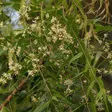
Neem
Azadirachta indica
Harvest (months): I–XII
Processing: Bath additive, Herbal oil
An Indian tree with bitter leaves and oil-rich seeds.
DetailsImage source
Photograph on Wikimedia Commons (CC BY 3.0). · J.M.Garg · CC BY 3.0
Catalogue
By name, harvest season or preparation method.
Showing 16 of 40 — 40 herbs in the list
Active filters — tap one to remove it:
Azadirachta indica
Harvest (months): I–XII
Processing: Bath additive, Herbal oil
An Indian tree with bitter leaves and oil-rich seeds.
DetailsPhotograph on Wikimedia Commons (CC BY 3.0). · J.M.Garg · CC BY 3.0

Olea europaea
Harvest (months): IV–XII
Processing: Herbal infusion (tea), Culinary use
Mediterranean tree—not a meadow sage; oil and leaves in tradition.
DetailsPhotograph on Wikimedia Commons (CC BY-SA 3.0). · Hans Hillewaert · CC BY-SA 3.0
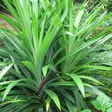
Pandanus amaryllifolius
Harvest (months): I–XII
Processing: Culinary use, Herbal infusion (tea)
A South-East Asian herb with long leaves; a key aroma in Thai and Malay desserts.
DetailsPhotograph on Wikimedia Commons (CC BY-SA 3.0). · Zuhairali · CC BY-SA 3.0
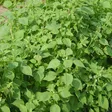
Perilla frutescens
Harvest (months): VI–XI
Processing: Herbal vinegar, Culinary use
Shiso / egoma—widely in Japanese cuisine and cultivation.
DetailsPhotograph on Wikimedia Commons (CC BY-SA 3.0). · Dalgial · CC BY-SA 3.0
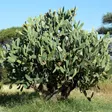
Opuntia ficus-indica
Harvest (months): VII–X
Processing: Culinary use, Culinary use
A Mexican cactus with sweet fruits and edible young pads.
DetailsPhotograph on Wikimedia Commons (CC BY-SA 3.0). · JMK · CC BY-SA 3.0
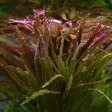
Limnophila aromatica
Harvest (months): I–XII
Processing: Culinary use
A Vietnamese paddy herb with an aroma between lemon and cumin.
DetailsPhotograph on Wikimedia Commons (CC BY-SA 2.0). · Emilia Murray · CC BY-SA 2.0
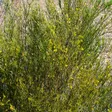
Aspalathus linearis
Harvest (months): I–IV
Processing: Herbal infusion (tea), Fermentation
A South African legume shrub with needle-like leaves; the source of the red tea.
DetailsPhotograph on Wikimedia Commons (CC BY-SA 2.5). · Winfried Bruenken ( Amrum ) · CC BY-SA 2.5
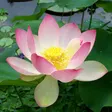
Nelumbo nucifera
Harvest (months): VI–IX
Processing: Herbal infusion (tea), Culinary use
Lotus—symbol and food in Asia; ponds and tropical pools.
DetailsPhotograph on Wikimedia Commons (CC BY-SA 3.0). · T.Voekler · CC BY-SA 3.0
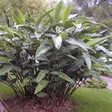
Alpinia zerumbet
Harvest (months): I–XII
Processing: Culinary use, Herbal infusion (tea)
A tall tropical ginger-family herb with striking shell-like flowers.
DetailsPhotograph on Wikimedia Commons (CC BY-SA 3.0). · Semnoz · CC BY-SA 3.0

Urtica dioica
Harvest (months): IV–VI
Processing: Herbal infusion (tea), Culinary use
Known for its stinging hairs and nutritious leaves.
DetailsCarl Axel Magnus Lindman, Bilder ur Nordens Flora (1917–1926). Botanical illustration; public domain. · Carl Axel Magnus Lindman · Public domain
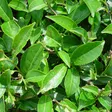
Camellia sinensis
Harvest (months): IV–V
Processing: Herbal infusion (tea), Powder
Tea plant—widespread culture in Myanmar and neighbouring countries.
DetailsPhotograph on Wikimedia Commons (Public domain). · AxelBoldt at en.wikipedia · Public domain
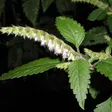
Elsholtzia ciliata
Harvest (months): VIII–IX
Processing: Culinary use, Inhalation
An annual East Asian mint-family herb with a mint-lemon aroma.
DetailsPhotograph on Wikimedia Commons (CC BY 3.0). · Leslie J. Mehrhoff, University of Connecticut, Bugwood.org · CC BY 3.0
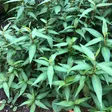
Persicaria odorata
Harvest (months): I–XII
Processing: Culinary use, Poultice / compress
A Vietnamese knotweed-family herb with a sharp coriander-citrus aroma.
DetailsPhotograph on Wikimedia Commons (CC BY-SA 4.0). · Joditran · CC BY-SA 4.0
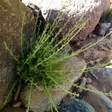
Artemisia herba-alba
Harvest (months): III–VI
Processing: Herbal infusion (tea), Culinary use
White wormwood dominant on dry Maghreb grasslands toward desert.
DetailsPhotograph on Wikimedia Commons (CC BY-SA 3.0). · Floratrek · CC BY-SA 3.0
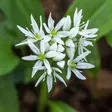
Allium ursinum
Harvest (months): IV–V
Processing: Herbal infusion (tea), Culinary use
Spring leaves in floodplain woods; strong garlic scent.
DetailsPhotograph on Wikimedia Commons (CC BY-SA 4.0). · Agnes Monkelbaan · CC BY-SA 4.0
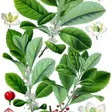
Ilex paraguariensis
Harvest (months): V–IX
Processing: Herbal infusion (tea), Culinary use
Yerba mate—major cultural drink in southern Brazil and region.
DetailsPhotograph on Wikimedia Commons (Public domain). · Franz Eugen Köhler, Köhler's Medizinal-Pflanzen · Public domain