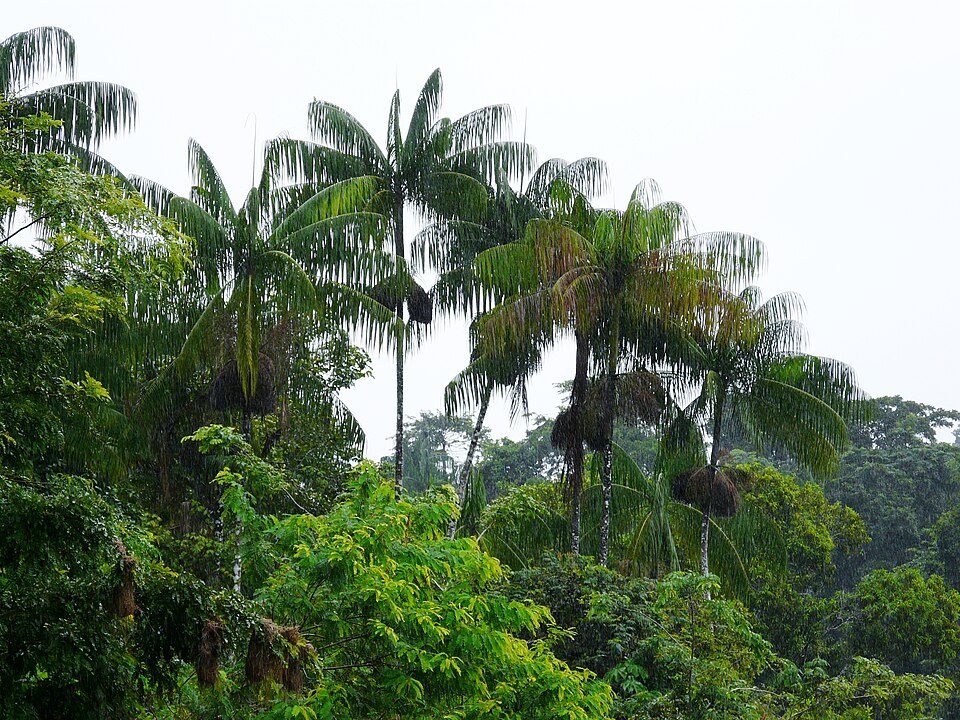
Açaí palm
Euterpe oleracea
Harvest (months): VII–XII
Processing: Culinary use, Syrup
Acai — palm of Amazon wetlands; fruit in cuisine and trade.
DetailsImage source
Photograph on Wikimedia Commons (Public domain). · Vihelik · Public domain
Catalogue
By name, harvest season or preparation method.
Showing 72 of 147 — 72 herbs in the list
Active filters — tap one to remove it:
Euterpe oleracea
Harvest (months): VII–XII
Processing: Culinary use, Syrup
Acai — palm of Amazon wetlands; fruit in cuisine and trade.
DetailsPhotograph on Wikimedia Commons (Public domain). · Vihelik · Public domain
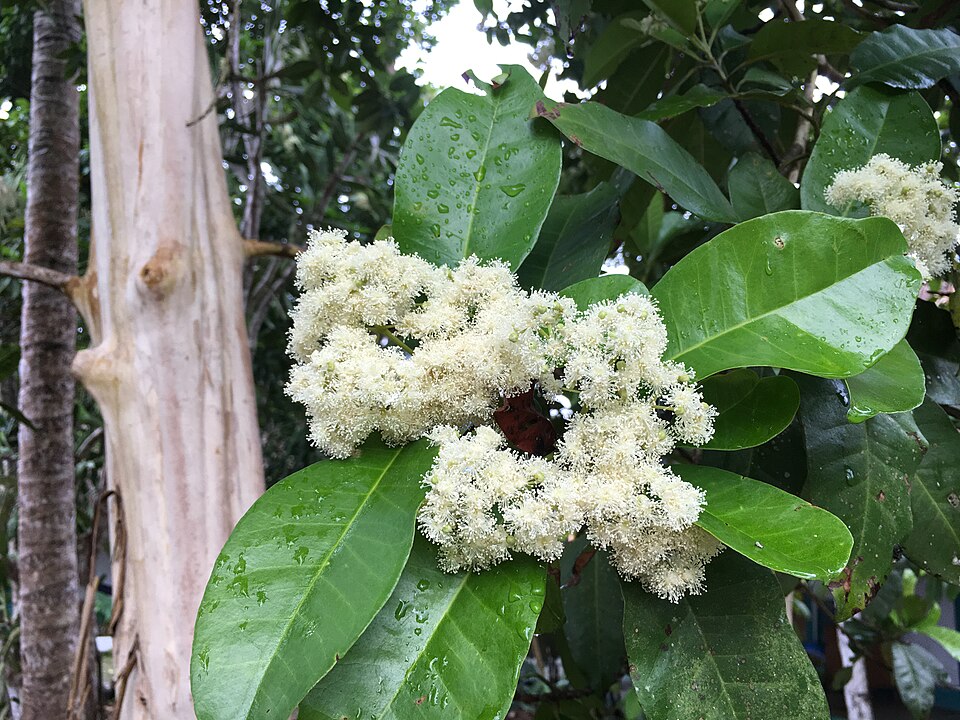
Pimenta dioica
Harvest (months): VII–IX
Processing: Culinary use, Herbal liqueur
A Caribbean tree whose dried berries become the spice 'allspice'.
DetailsPhotograph on Wikimedia Commons (CC BY-SA 4.0). · Christian Blue · CC BY-SA 4.0
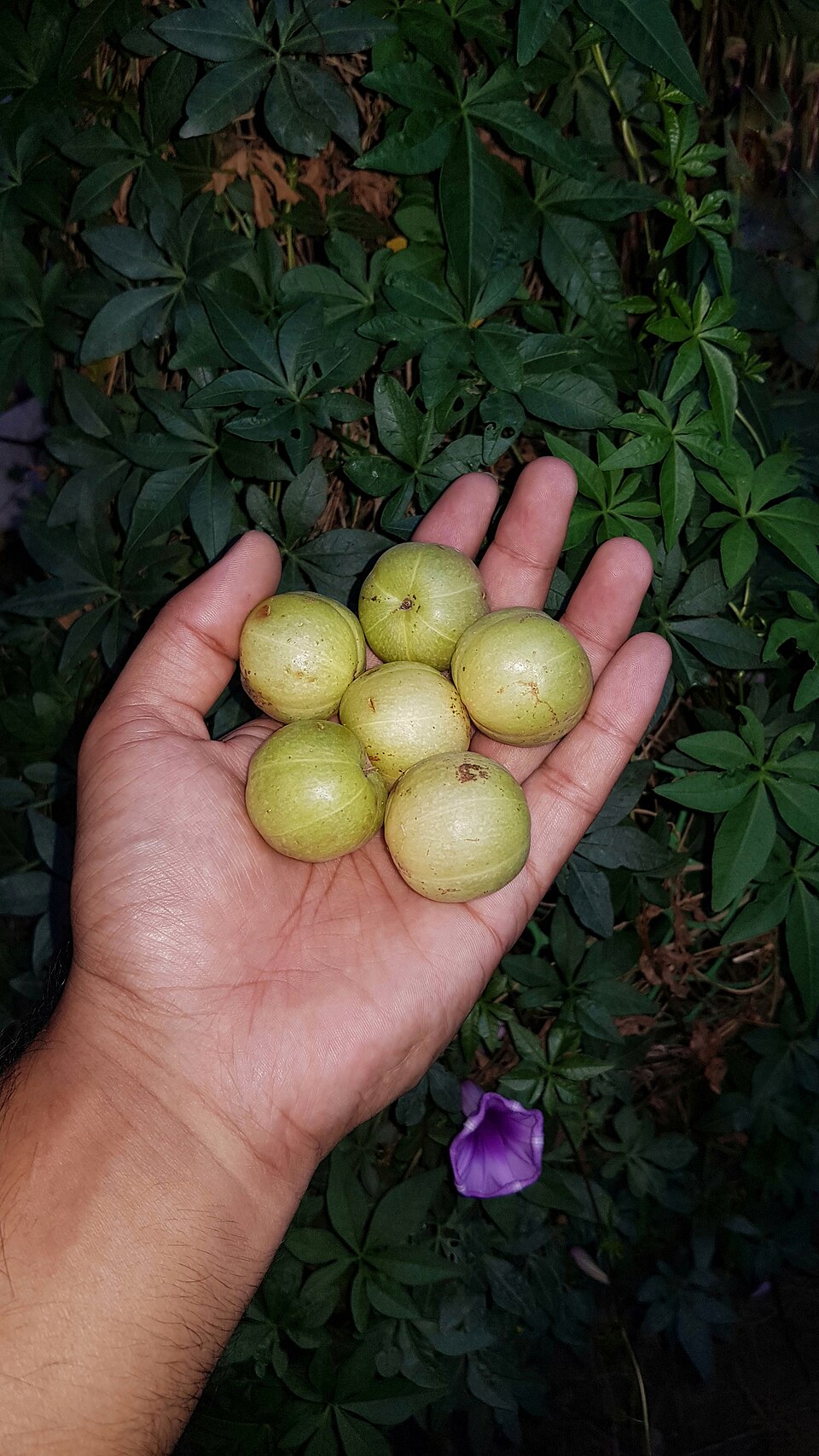
Phyllanthus emblica
Harvest (months): X–III
Processing: Honey macerate, Powder
An Indian tree with sour green fruits known in Ayurveda as 'amla'.
DetailsPhotograph on Wikimedia Commons (CC BY-SA 4.0). · In Transit · CC BY-SA 4.0
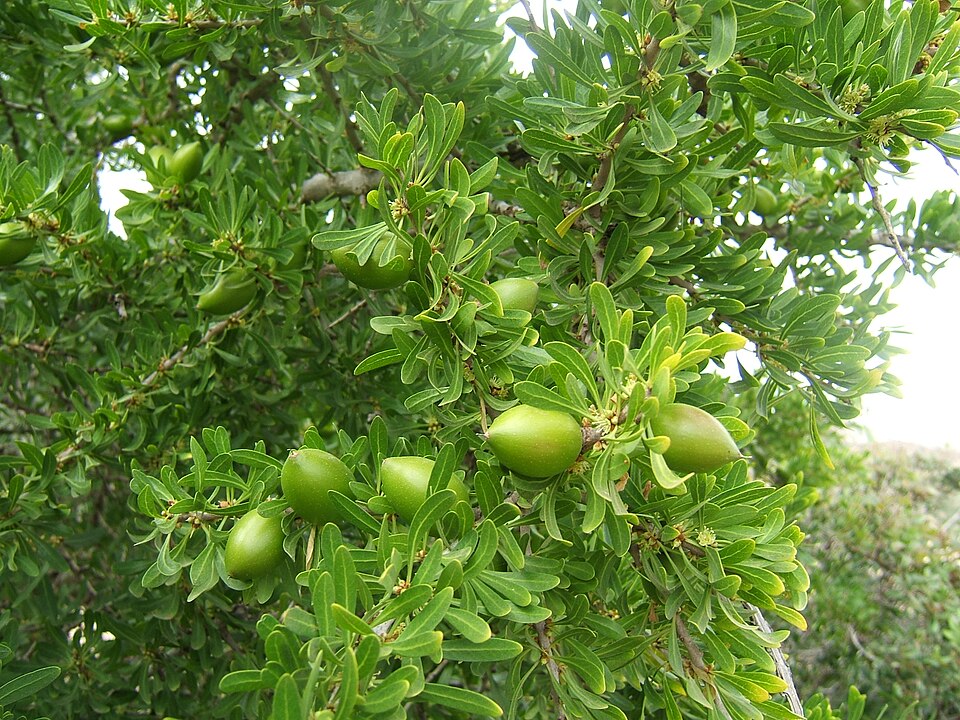
Argania spinosa
Harvest (months): VI–VIII
Processing: Culinary use, Herbal oil
Argan—endemic to western Maghreb; argan oil and coastal Atlas ecology.
DetailsPhotograph on Wikimedia Commons (CC BY 2.5). · No machine-readable author provided. MPF assumed (based on copyright claims). · CC BY 2.5
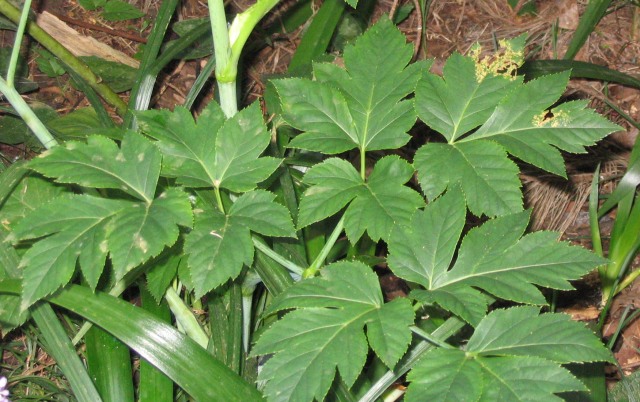
Angelica keiskei
Harvest (months): III–X
Processing: Herbal infusion (tea), Culinary use
Ashitaba—traditional coastal vegetable of Bōsō and similar shores.
DetailsPhotograph on Wikimedia Commons (CC BY-SA 3.0). · ja:User:Sphl · CC BY-SA 3.0
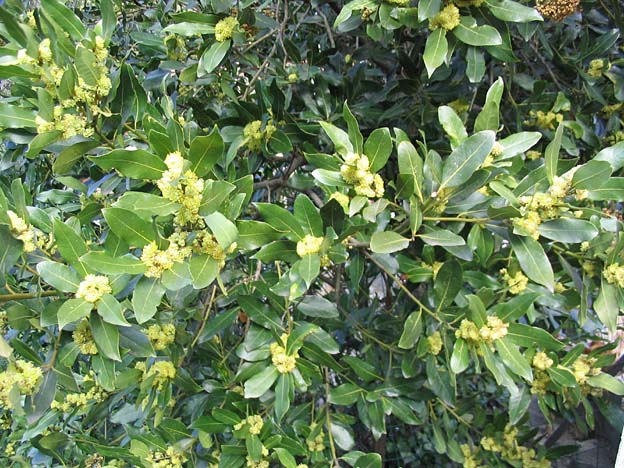
Laurus nobilis
Harvest (months): I–XII
Processing: Culinary use, Herbal infusion (tea)
A Mediterranean tree with aromatic leaves; the plant of Apollo in antiquity.
DetailsPhotograph on Wikimedia Commons (CC BY-SA 3.0). · Wikimedia Commons · CC BY-SA 3.0
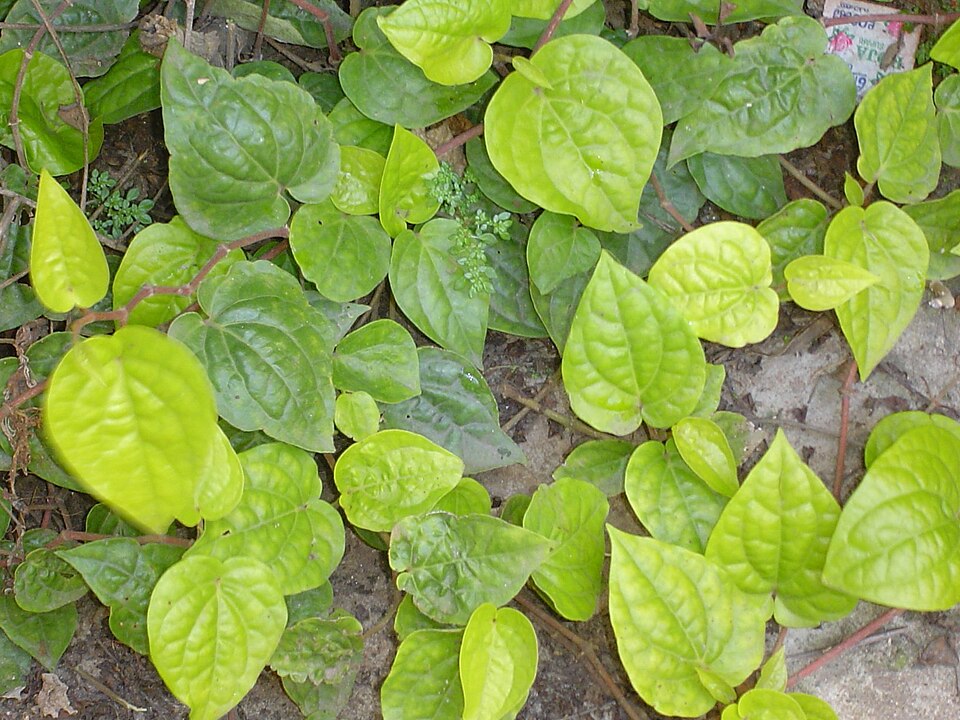
Piper betle
Harvest (months): I–XII
Processing: Culinary use, Poultice / compress
Betel leaf chewing in Southeast Asia.
DetailsPhotograph on Wikimedia Commons (Public domain). · No machine-readable author provided. Pamri assumed (based on copyright claims). · Public domain
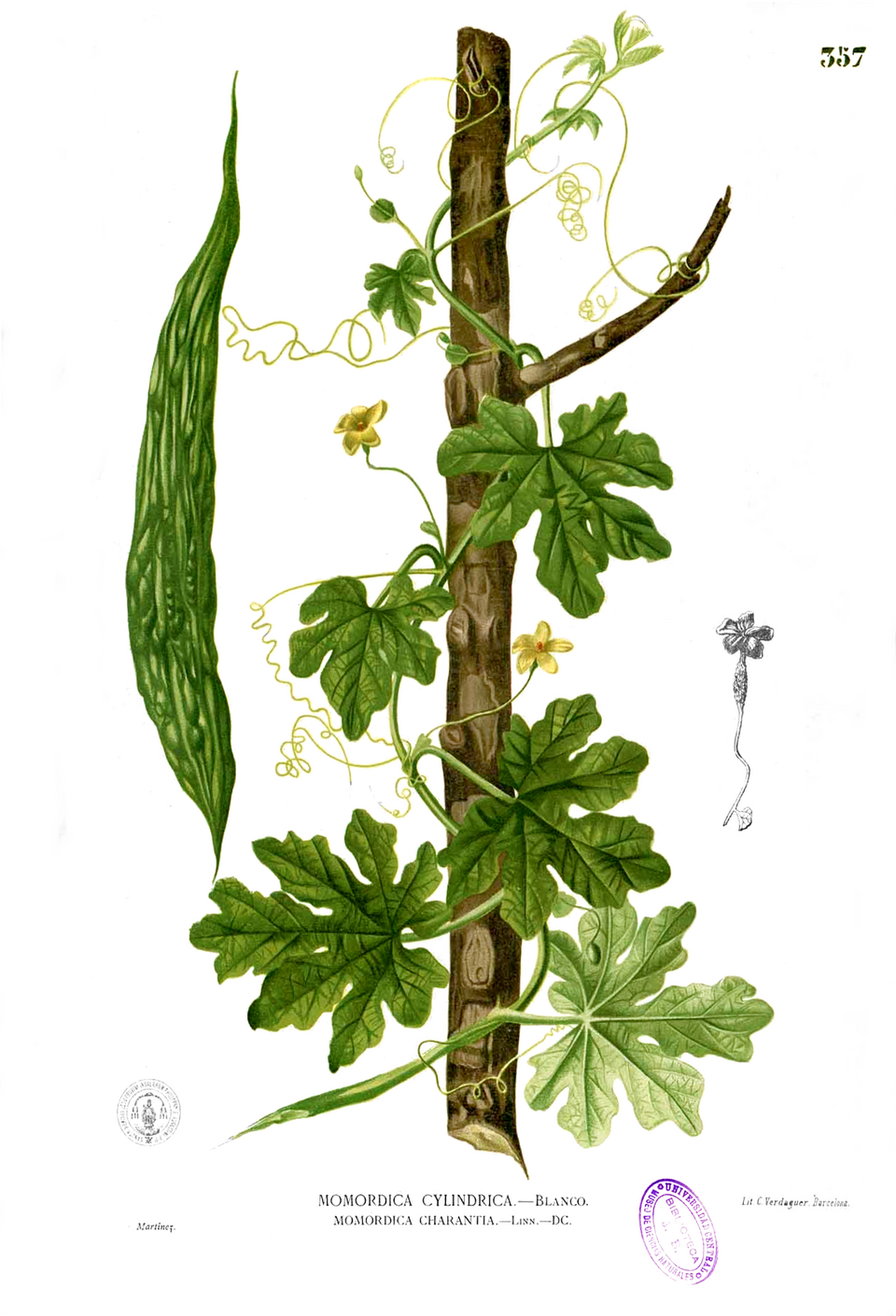
Momordica charantia
Harvest (months): VI–X
Processing: Culinary use, Herbal infusion (tea)
Bitter melon in Asian cuisine and folk use; tropical and subtropical Asia.
DetailsPhotograph on Wikimedia Commons (Public domain). · Francisco Manuel Blanco (O.S.A.) · Public domain
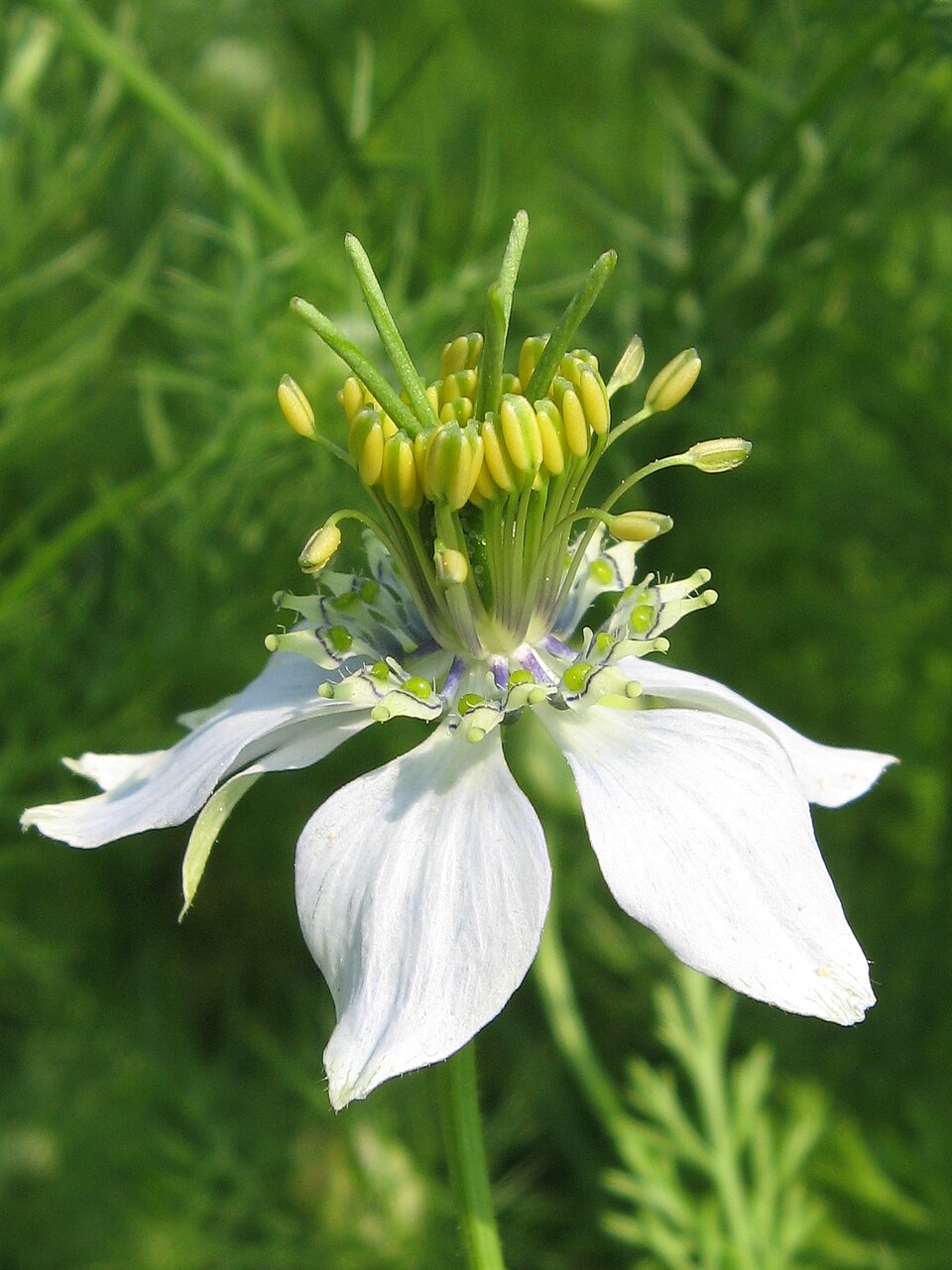
Nigella sativa
Harvest (months): VII–IX
Processing: Honey macerate, Culinary use
Nigella seeds widely in Maghreb cookery.
DetailsPhotograph on Wikimedia Commons (CC BY-SA 3.0). · AndreHolz at English Wikipedia · CC BY-SA 3.0
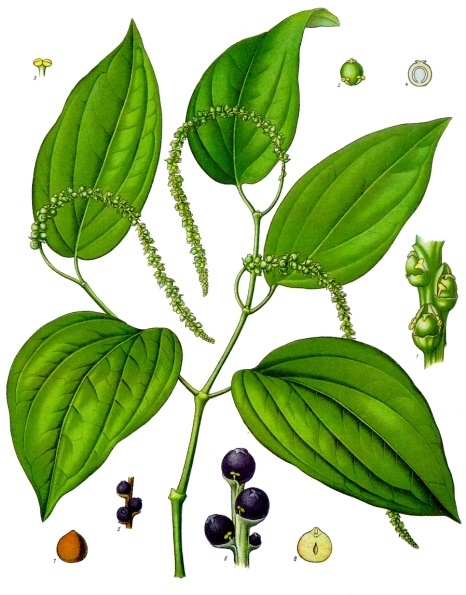
Piper nigrum
Harvest (months): XI–II
Processing: Decoction, Culinary use
Black pepper—a major tropical Asian crop.
DetailsPhotograph on Wikimedia Commons (Public domain). · Franz Eugen Köhler, Köhler's Medizinal-Pflanzen · Public domain
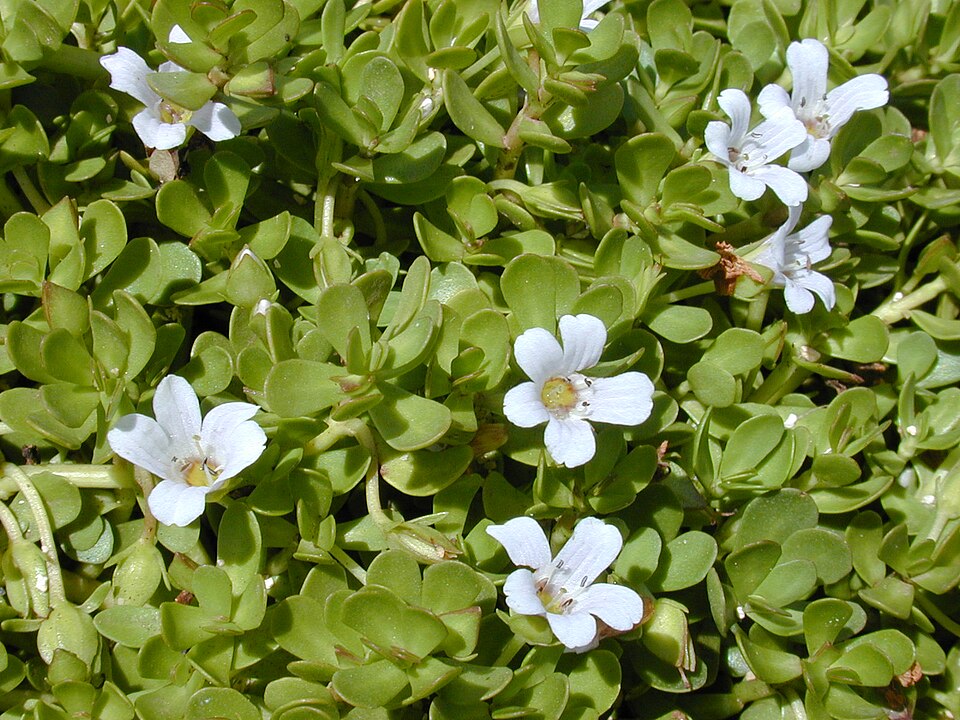
Bacopa monnieri
Harvest (months): I–XII
Processing: Herbal infusion (tea), Capsules
A small Indian wetland herb known in Ayurveda as 'brahmi'.
DetailsPhotograph on Wikimedia Commons (CC BY 3.0). · Forest & Kim Starr · CC BY 3.0
Bertholletia excelsa
Harvest (months): XII–III
Processing: Culinary use
Brazil nut—iconic Amazon rainforest tree.
DetailsPhotograph on Wikimedia Commons (Public domain). · Wikimedia Commons · Public domain
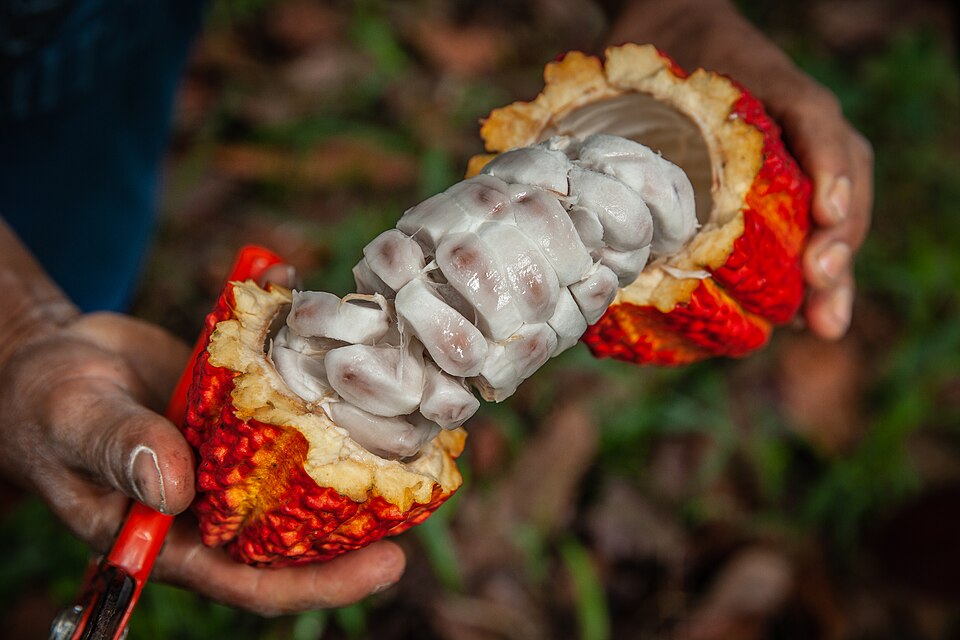
Theobroma cacao
Harvest (months): I–XII
Processing: Decoction, Culinary use
Cacao—Amazonian origin; economically key crop.
DetailsPhotograph on Wikimedia Commons (CC BY 2.0). · USAID Digital Development · CC BY 2.0
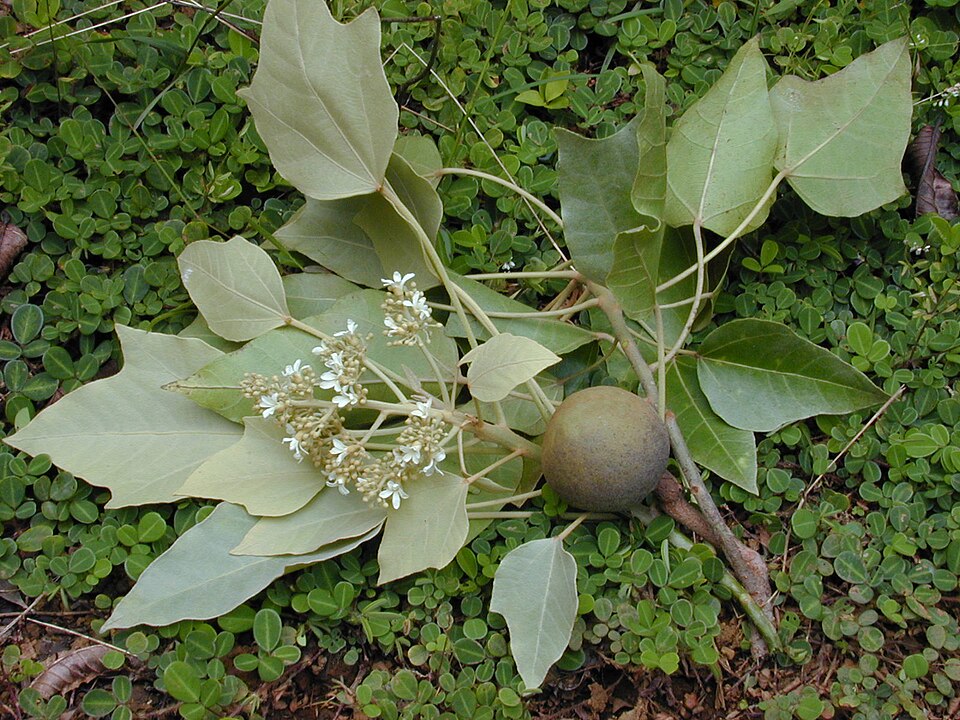
Aleurites moluccanus
Harvest (months): I–XII
Processing: Culinary use, Herbal oil
A tropical Pacific tree with oil-rich seeds known as 'kukui'.
DetailsPhotograph on Wikimedia Commons (CC BY 3.0). · Forest & Kim Starr · CC BY 3.0
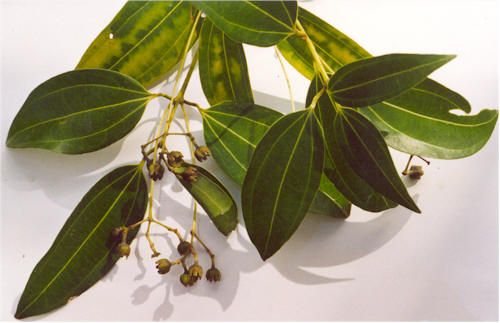
Cinnamomum verum
Harvest (months): V–VI
Processing: Decoction, Culinary use
"Ceylon cinnamon" bark; tropical regional crop.
DetailsPhotograph on Wikimedia Commons (Public domain). · Wikimedia Commons · Public domain
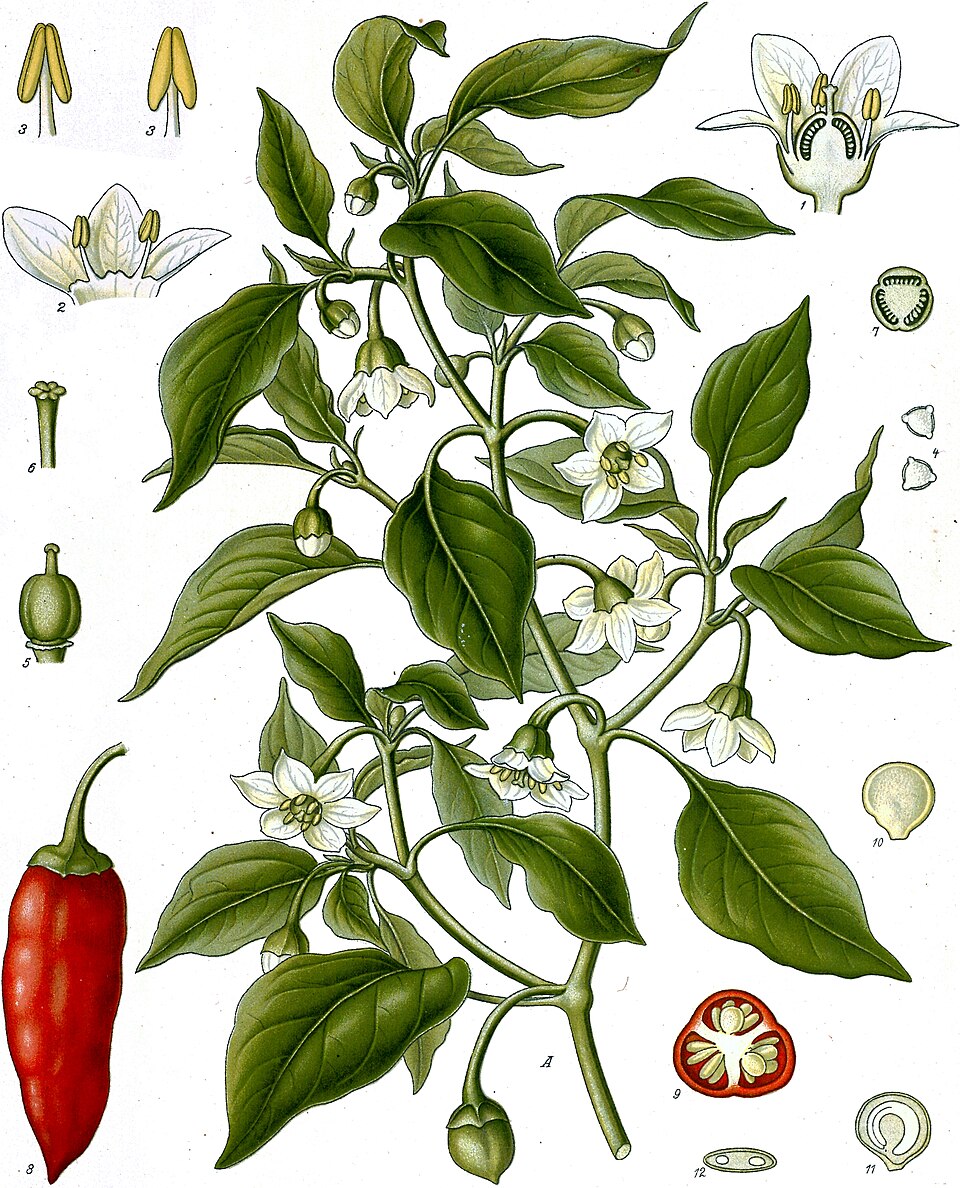
Capsicum annuum
Harvest (months): VII–X
Processing: Culinary use, Herbal oil
A Mexican pepper species that includes both sweet and hot cultivars.
DetailsPhotograph on Wikimedia Commons (Public domain). · Franz Eugen Köhler, Köhler's Medizinal-Pflanzen · Public domain
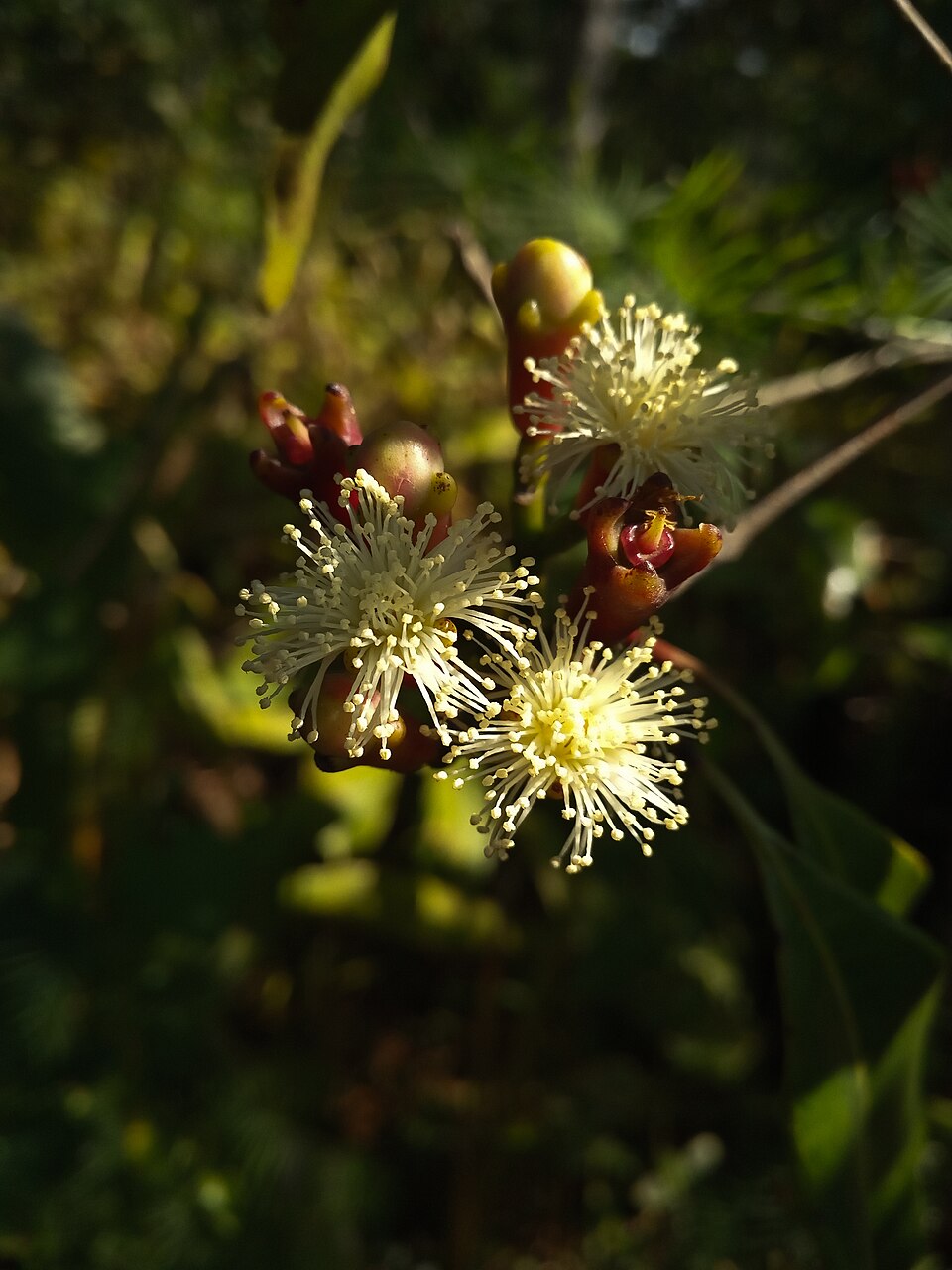
Syzygium aromaticum
Harvest (months): VII–X
Processing: Herbal infusion (tea), Culinary use
An Indonesian tree whose dried unopened buds become the spice clove.
DetailsPhotograph on Wikimedia Commons (CC BY-SA 4.0). · Bayu Nugroho · CC BY-SA 4.0
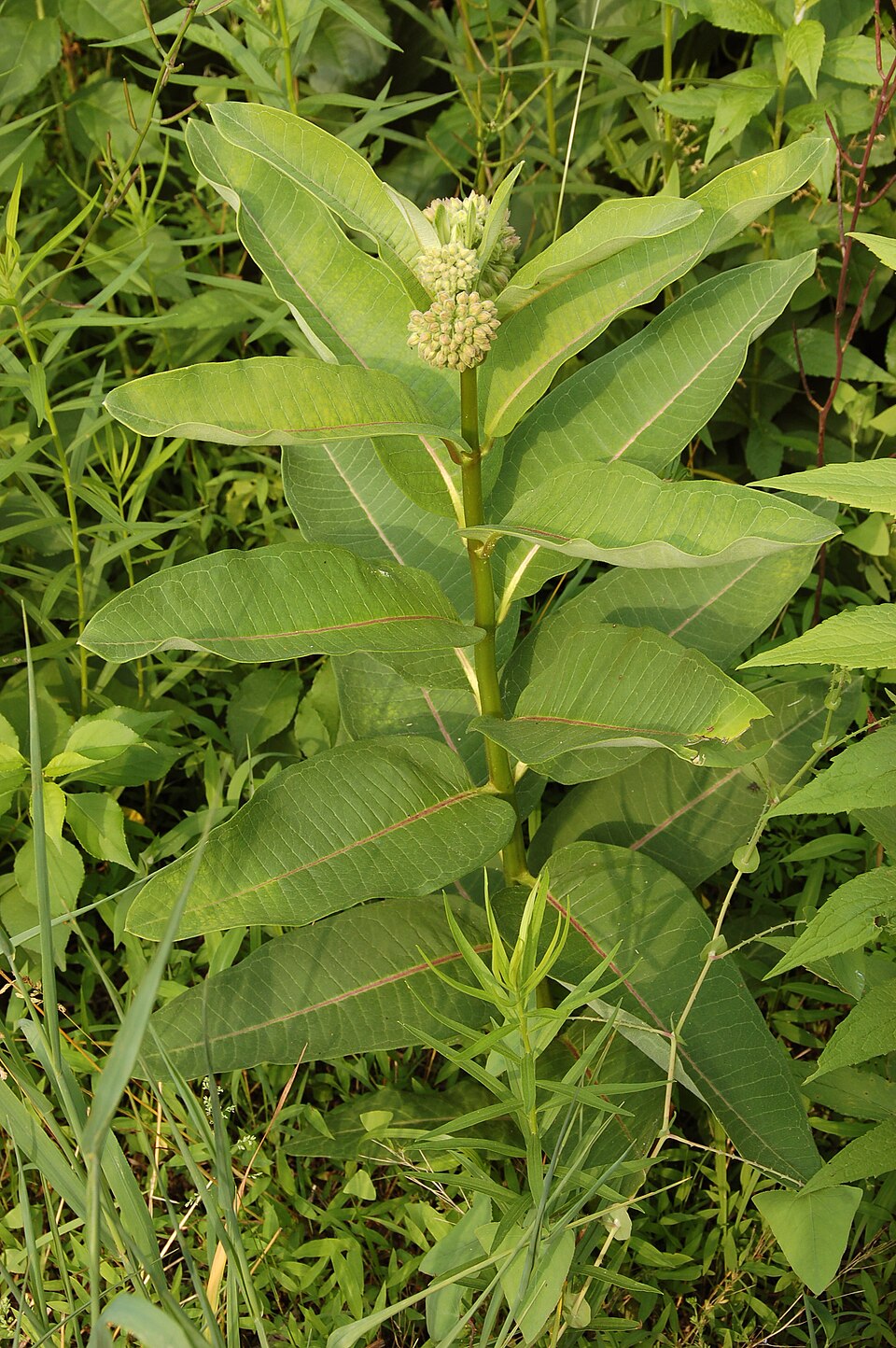
Asclepias syriaca
Harvest (months): V–VIII
Processing: Culinary use, Poultice / compress
Common milkweed—waste margins; monarch ecology and latex in folk use.
DetailsPhotograph on Wikimedia Commons (GFDL 1.2). · Photo by and (c)2007 Derek Ramsey ( Ram-Man ) · GFDL 1.2
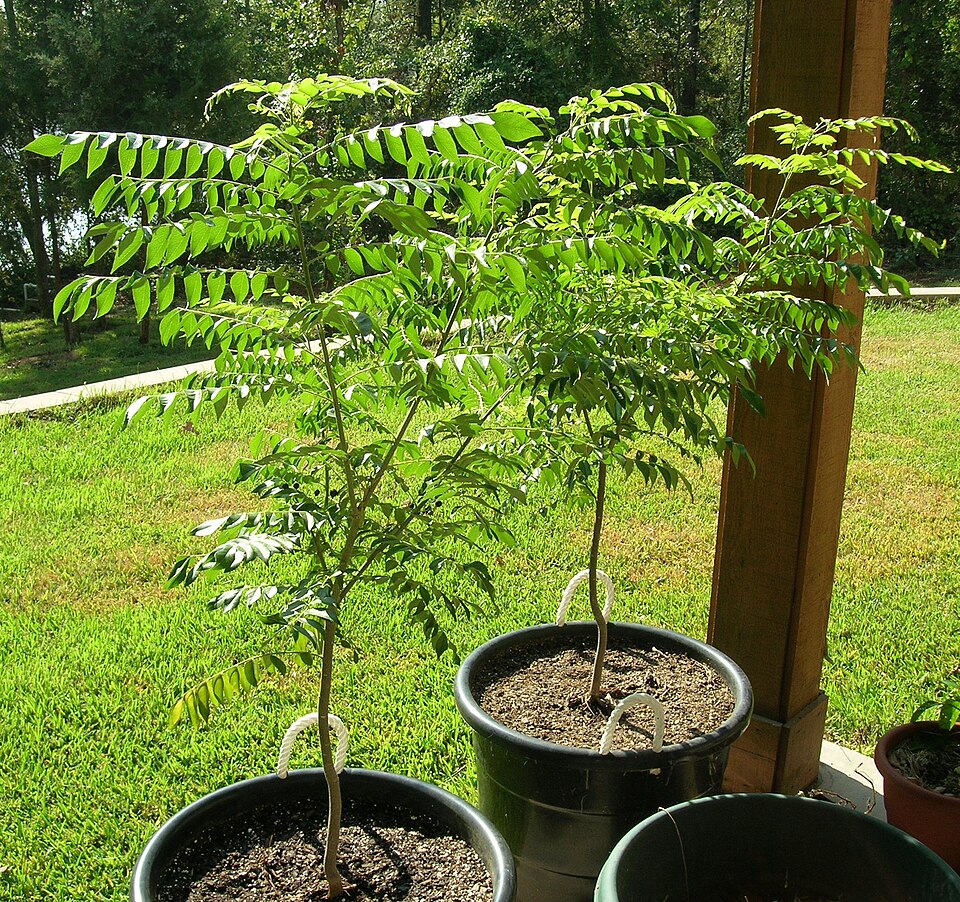
Murraya koenigii
Harvest (months): I–XII
Processing: Culinary use, Herbal oil
Curry leaf aroma in Myanmar and Indian kitchens.
DetailsPhotograph on Wikimedia Commons (CC BY-SA 3.0). · Wikimedia Commons · CC BY-SA 3.0
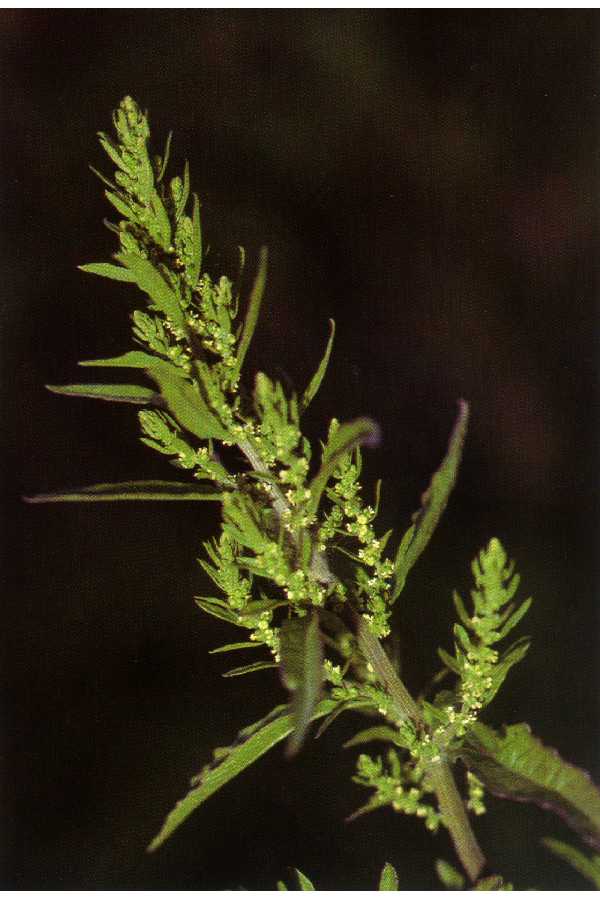
Dysphania ambrosioides
Harvest (months): VI–IX
Processing: Culinary use, Herbal infusion (tea)
A Mexican goosefoot relative; a key herb for traditional bean dishes.
DetailsPhotograph on Wikimedia Commons (Public domain). · Wikimedia Commons · Public domain
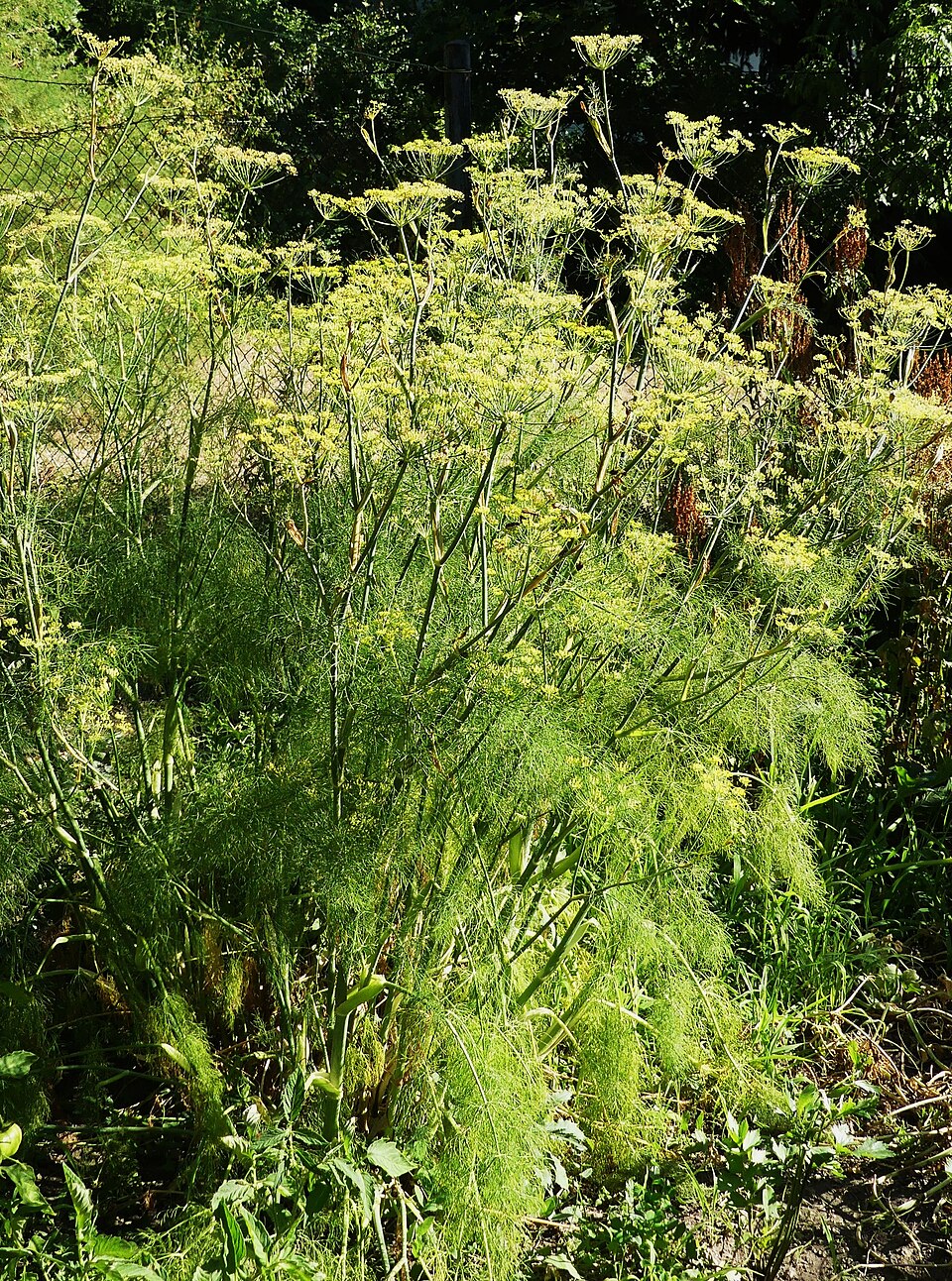
Foeniculum vulgare
Harvest (months): V–IX
Processing: Herbal infusion (tea), Culinary use
Feathery leaves and fruits in sweet and savoury cooking.
DetailsPhotograph on Wikimedia Commons (CC BY 4.0). · Elekes Andor · CC BY 4.0
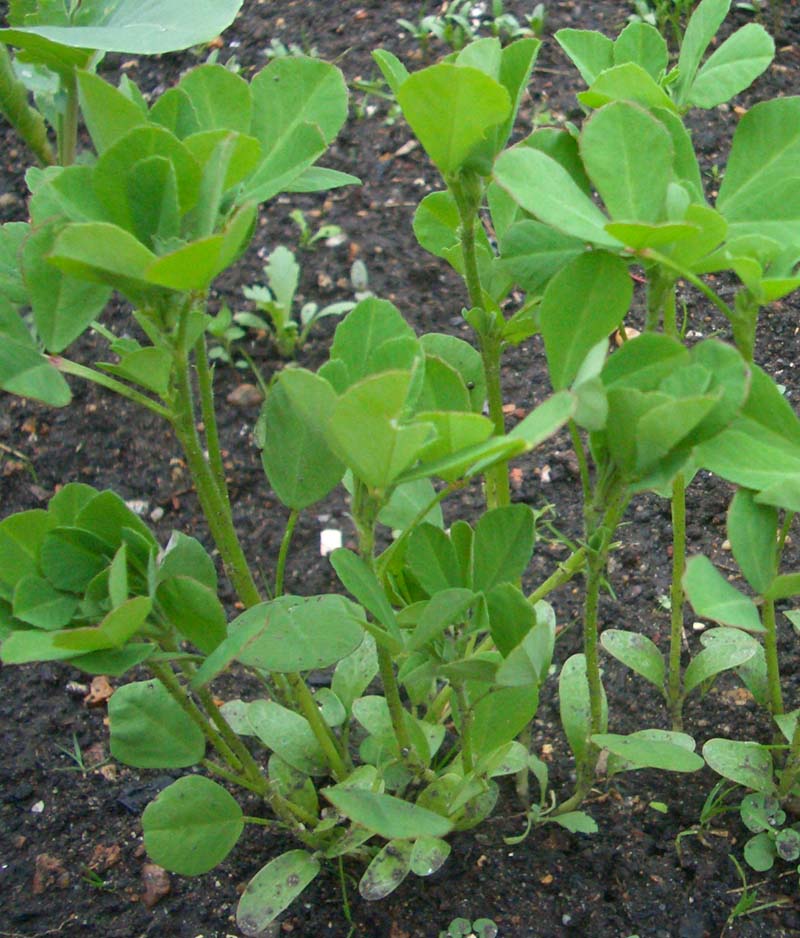
Trigonella foenum-graecum
Harvest (months): IV–VI
Processing: Herbal infusion (tea), Culinary use
An annual legume; the seeds carry a maple-syrup-like aroma.
DetailsPhotograph on Wikimedia Commons (CC BY-SA 3.0). · Yak · CC BY-SA 3.0
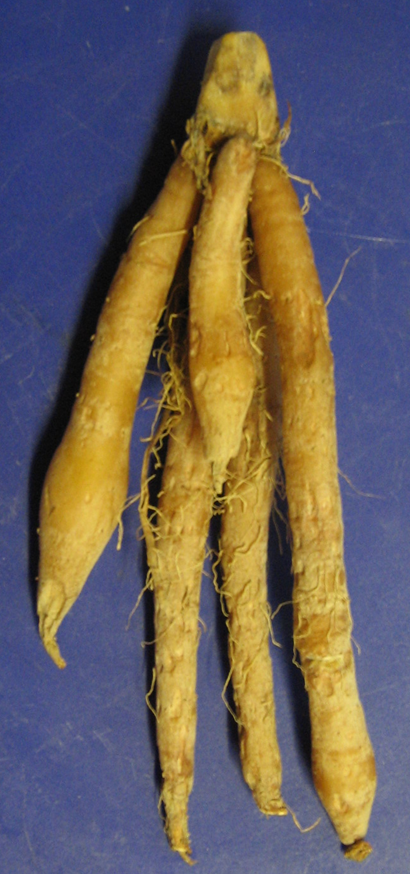
Boesenbergia rotunda
Harvest (months): X–XII
Processing: Culinary use, Decoction
A South-East Asian ginger relative with finger-like rhizome bundles.
DetailsPhotograph on Wikimedia Commons (Public domain). · Kembangraps · Public domain
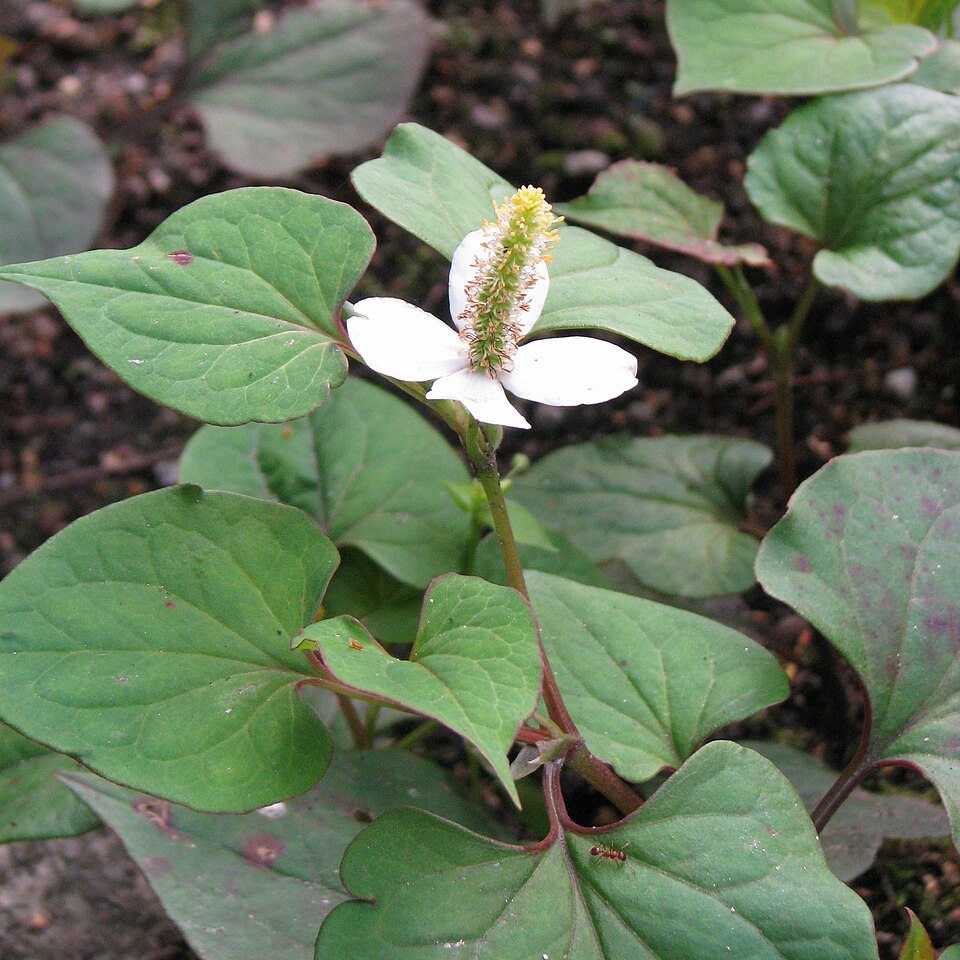
Houttuynia cordata
Harvest (months): V–VIII
Processing: Herbal infusion (tea), Culinary use
A moisture-loving East Asian herb with fishy-scented leaves.
DetailsPhotograph on Wikimedia Commons (CC BY-SA 4.0). · Agnieszka Kwiecień, Nova · CC BY-SA 4.0
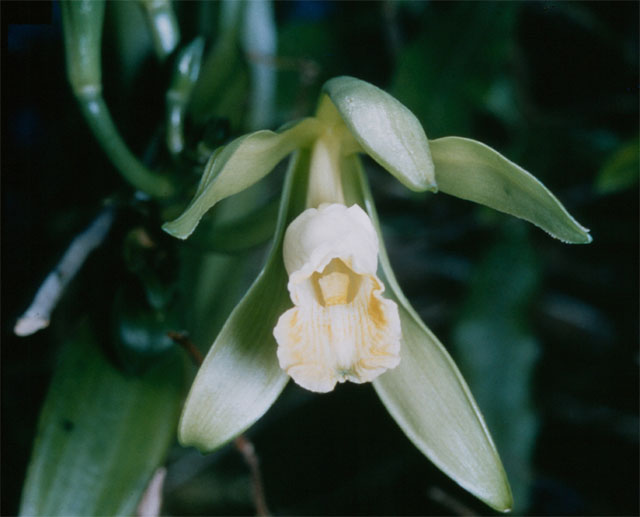
Vanilla planifolia
Harvest (months): I–III
Processing: Tincture, Culinary use
A climbing orchid whose fermented pods give the vanilla aroma.
DetailsPhotograph on Wikimedia Commons (Public domain). · Everglades National Park · Public domain
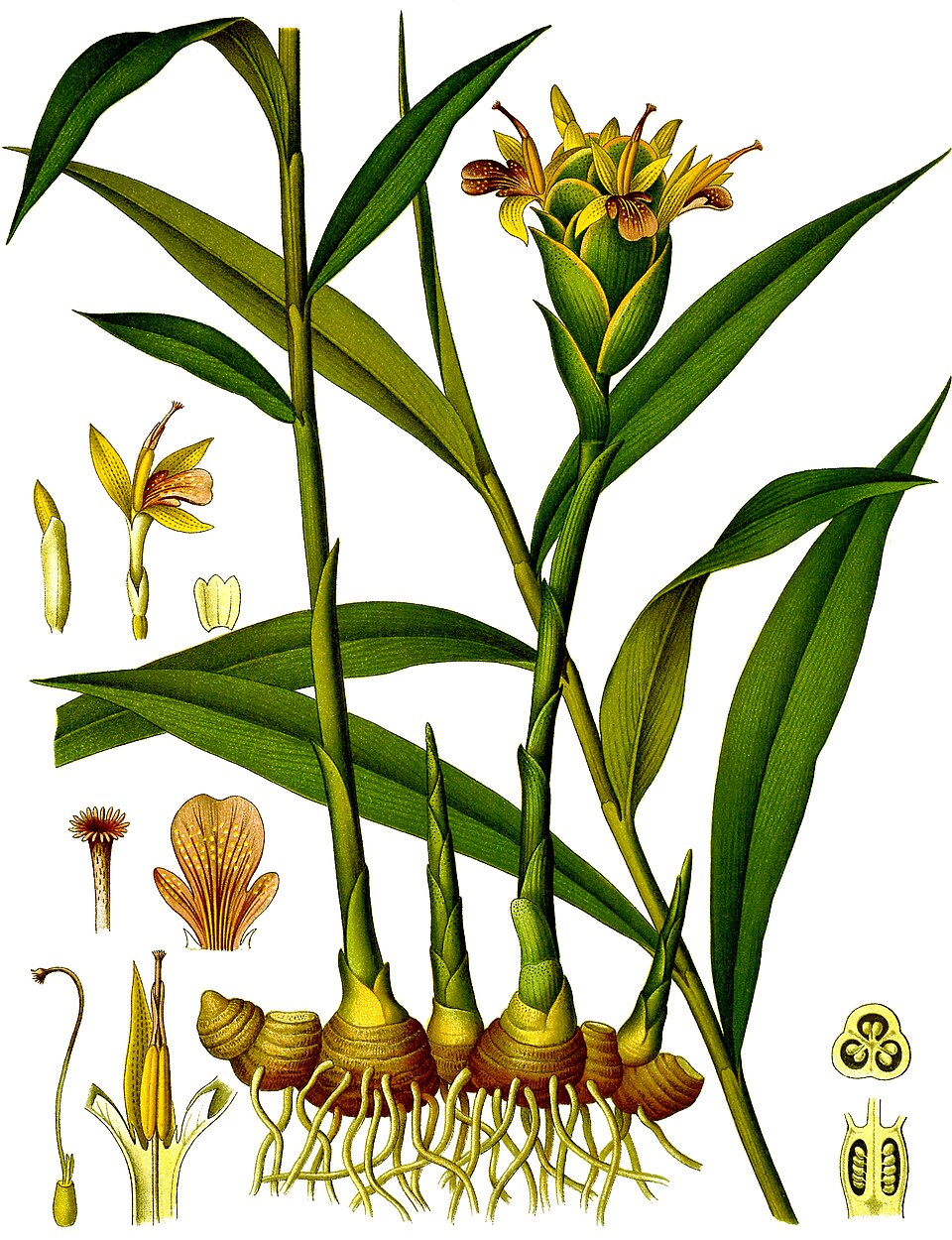
Zingiber officinale
Harvest (months): X–XII
Processing: Herbal infusion (tea), Syrup
Ginger rhizome—cultivated crop in tropical and subtropical Asia including Myanmar.
DetailsPhotograph on Wikimedia Commons (Public domain). · Franz Eugen Köhler, Köhler's Medizinal-Pflanzen · Public domain
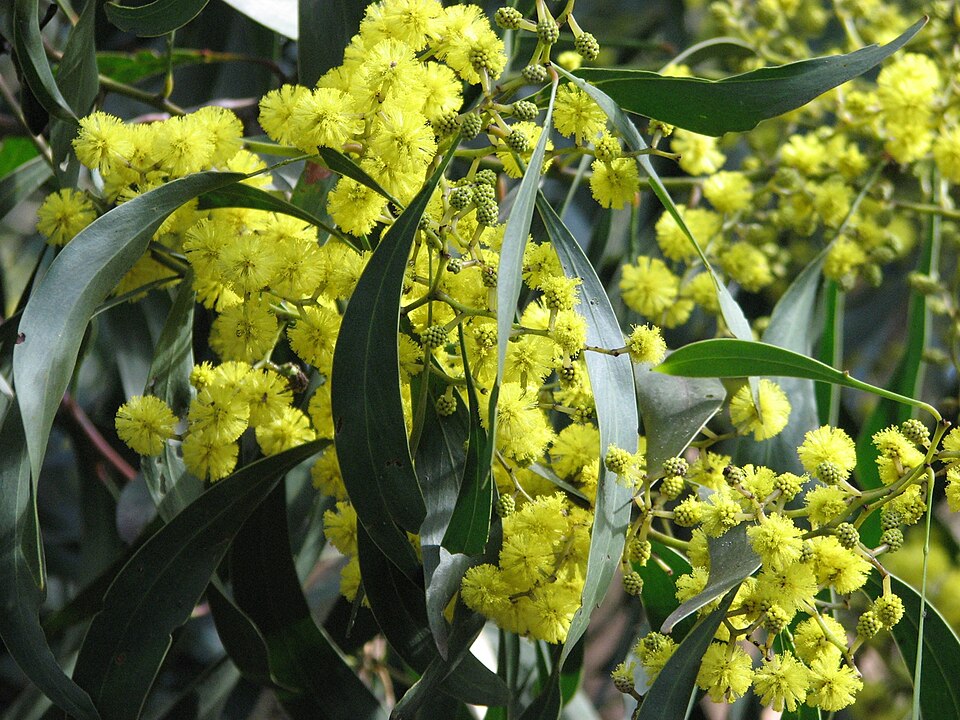
Acacia pycnantha
Harvest (months): VII–IX
Processing: Culinary use, Herb bundle
Golden wattle—national floral emblem; golden spikes in the southeast.
DetailsPhotograph on Wikimedia Commons (CC BY-SA 3.0). · Melburnian · CC BY-SA 3.0
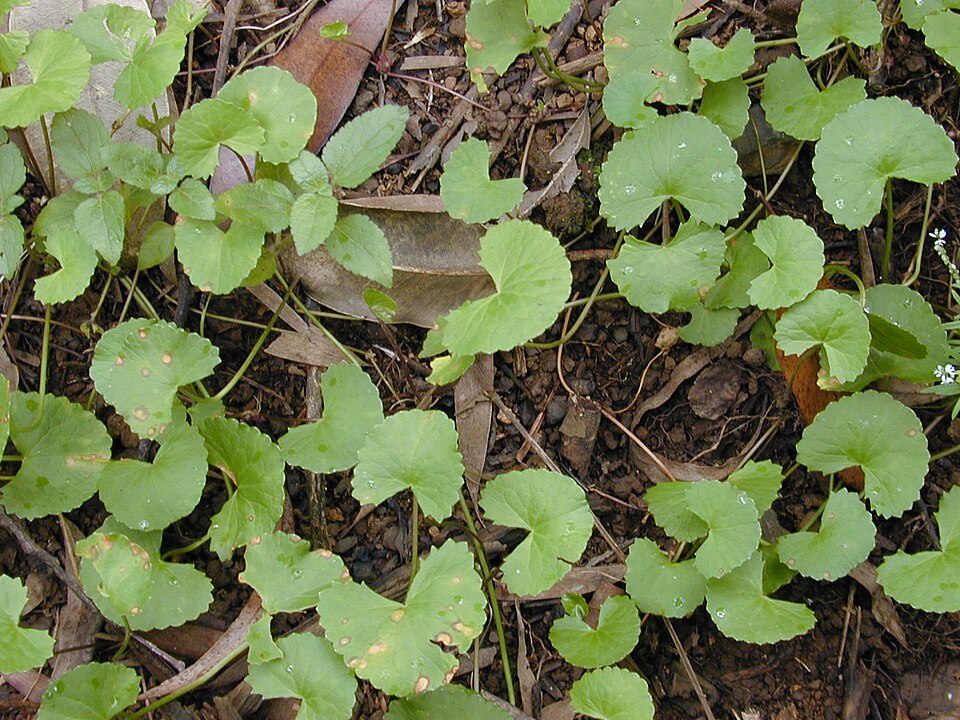
Centella asiatica
Harvest (months): I–XII
Processing: Culinary use, Herbal infusion (tea)
Asian pennywort; wetlands and cultivated beds; traditional use in Asia.
DetailsPhotograph on Wikimedia Commons (CC BY 3.0). · Forest & Kim Starr · CC BY 3.0
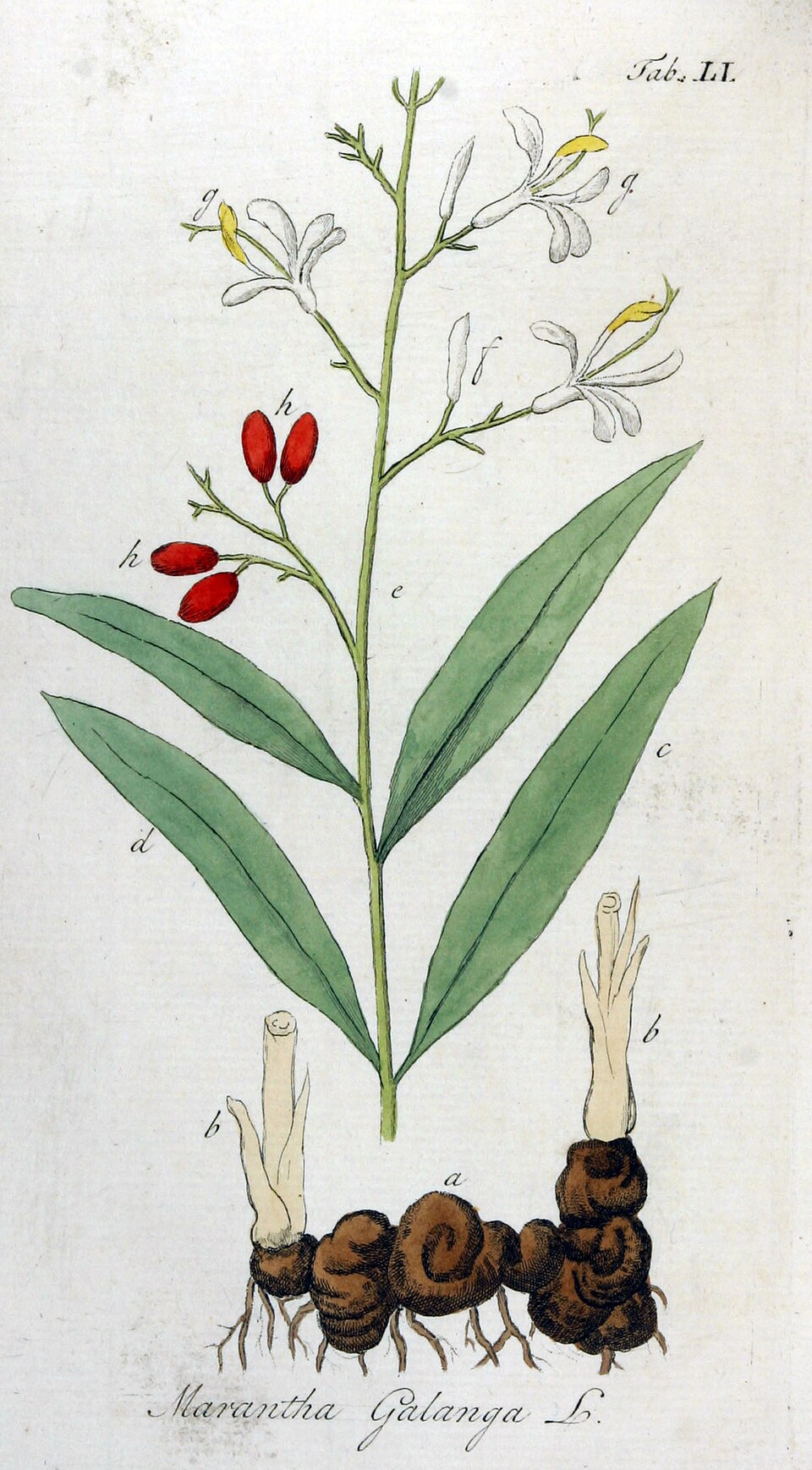
Alpinia galanga
Harvest (months): XI–II
Processing: Culinary use, Decoction
Greater galangal rhizome and shoots in Southeast Asian cuisine including Myanmar.
DetailsPhotograph on Wikimedia Commons (Public domain). · Wikimedia Commons · Public domain
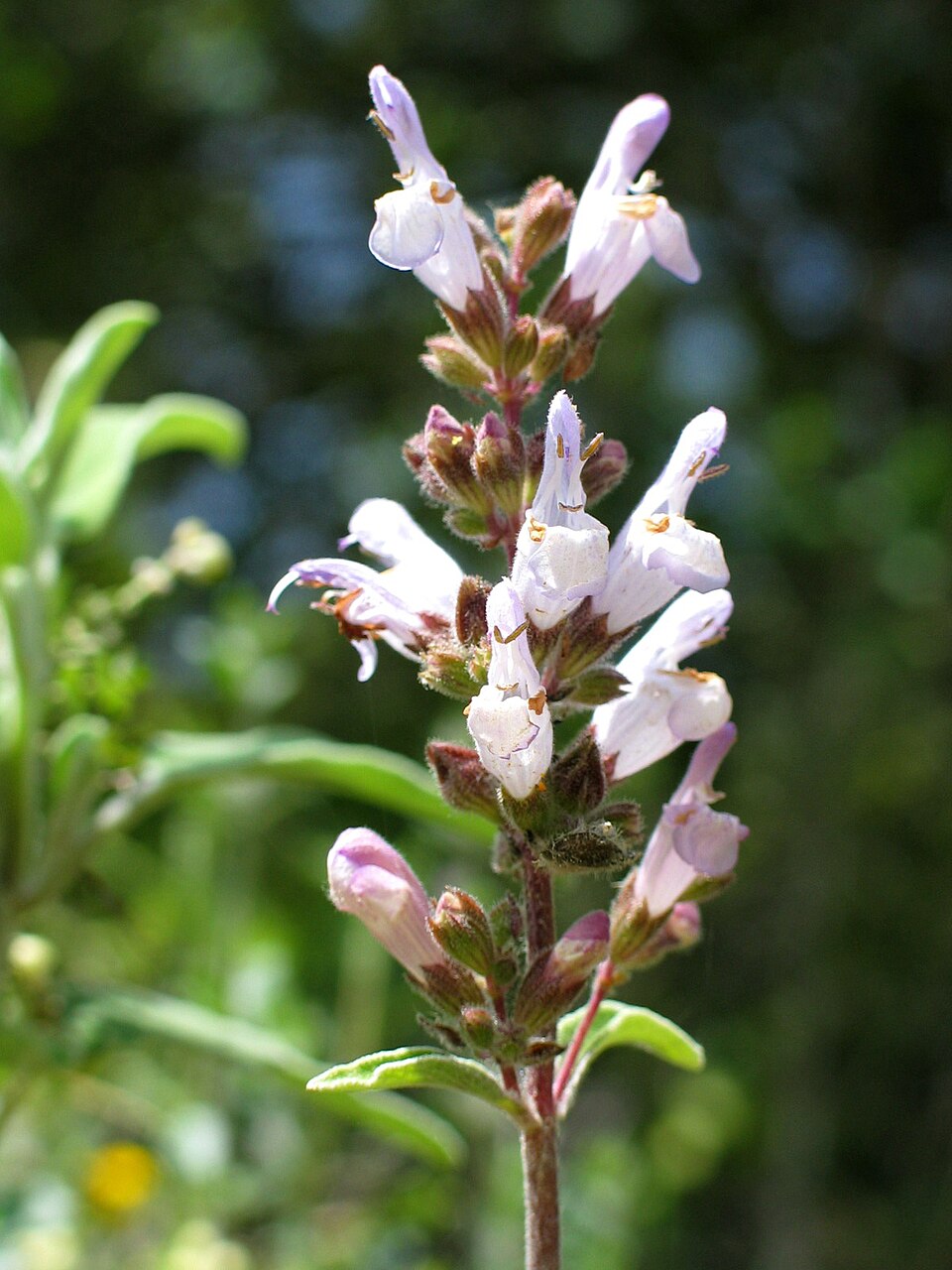
Salvia fruticosa
Harvest (months): V–VI
Processing: Herbal infusion (tea), Culinary use
An eastern Mediterranean sage; the aromatic leaves are the Greek 'faskomilo'.
DetailsPhotograph on Wikimedia Commons (Attribution). · This file is a work by Ester Inbar ( user:ST or he:user:ST ). More of my work can be found in Category:Files by User:ST . If you use my work outside Wikimedia I would appreciate being notified and referred to site where used here . · Attribution
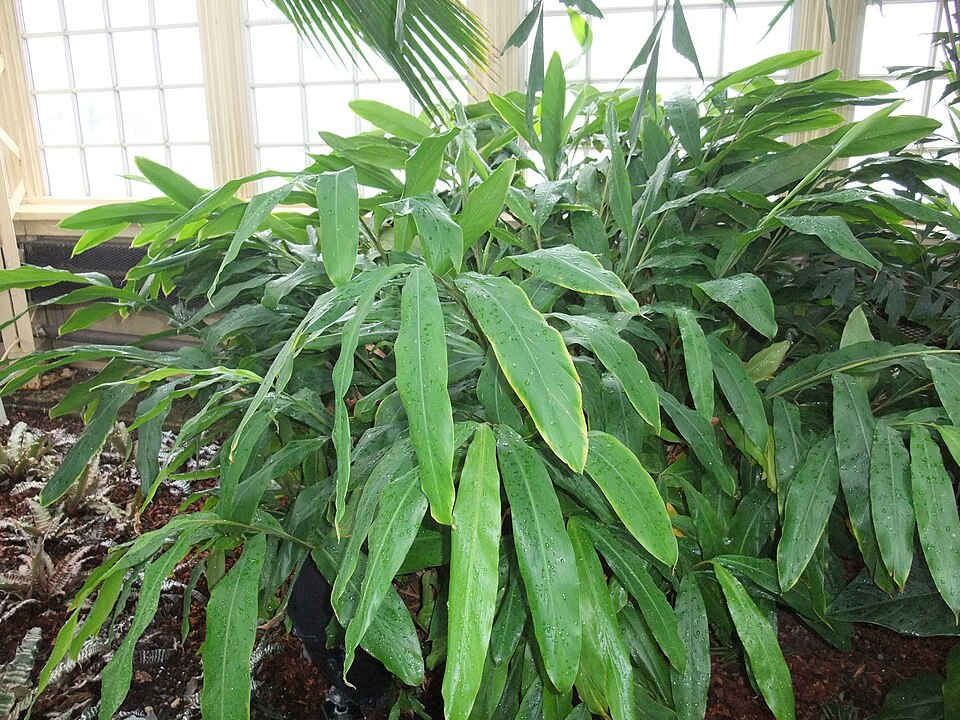
Elettaria cardamomum
Harvest (months): X–II
Processing: Culinary use, Herbal infusion (tea)
A perennial ginger relative from southern India; the pods hold aromatic seeds.
DetailsPhotograph on Wikimedia Commons (Public domain). · Chhe ( talk ) · Public domain
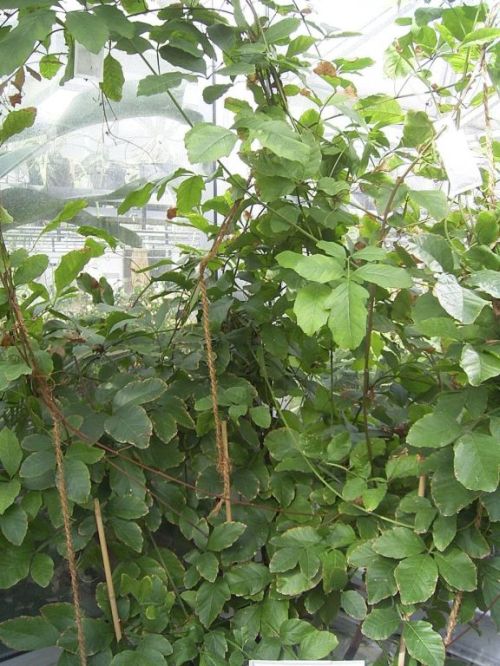
Paullinia cupana
Harvest (months): X–I
Processing: Powder, Culinary use
Guarana — Amazon seeds with alkaloids; drinks and supplements.
DetailsPhotograph on Wikimedia Commons (CC BY-SA 3.0). · Wikimedia Commons · CC BY-SA 3.0
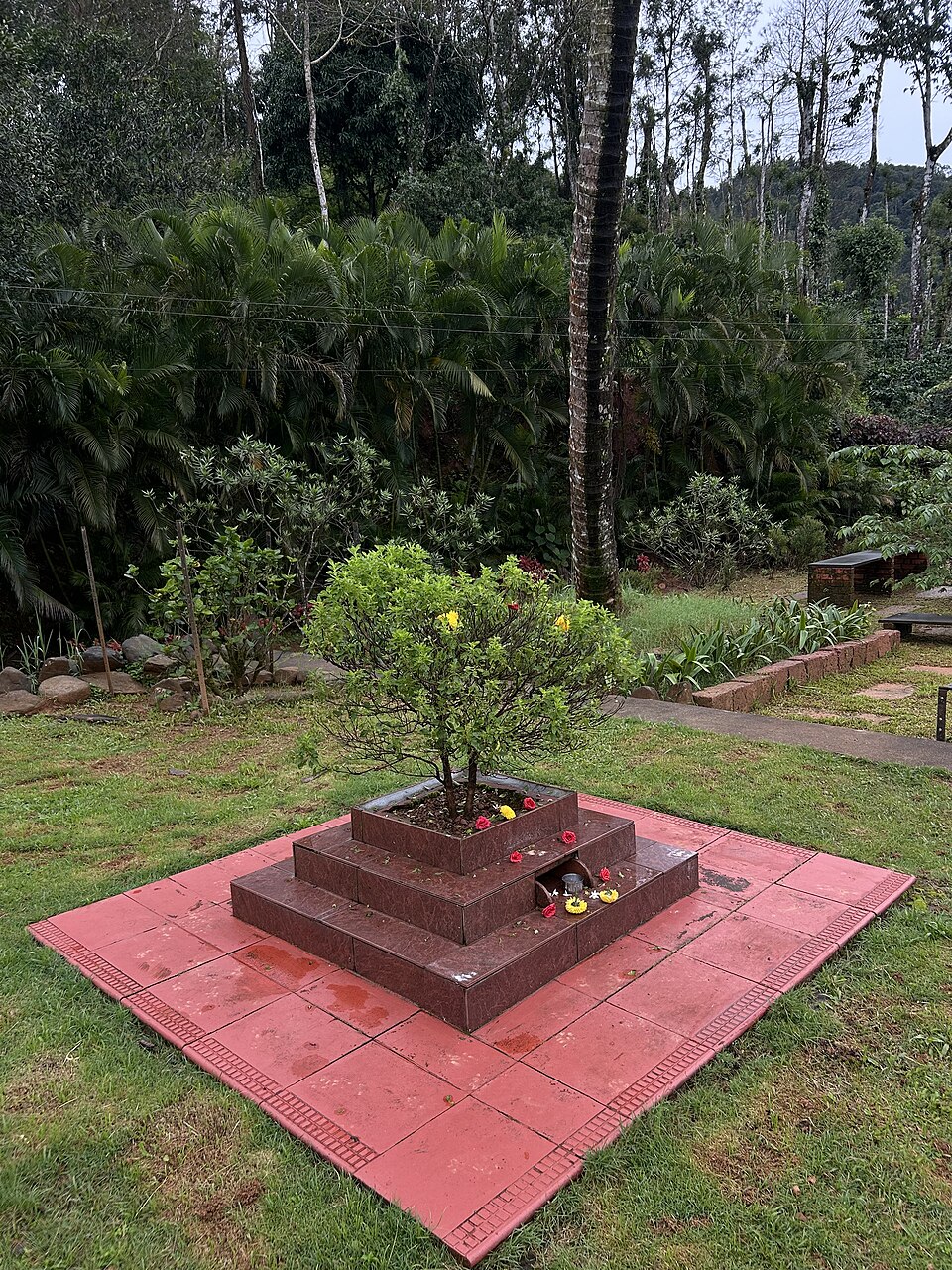
Ocimum tenuiflorum
Harvest (months): I–XII
Processing: Herbal infusion (tea), Culinary use
Holy basil (tulsi)—culturally important in South Asia; not sweet basil.
DetailsPhotograph on Wikimedia Commons (CC0). · Aldrina A Manashe · CC0
Cyclopia intermedia
Harvest (months): XII–III
Processing: Herbal infusion (tea), Fermentation
A South African shrub whose fermented leaves yield 'honey tea'.
Details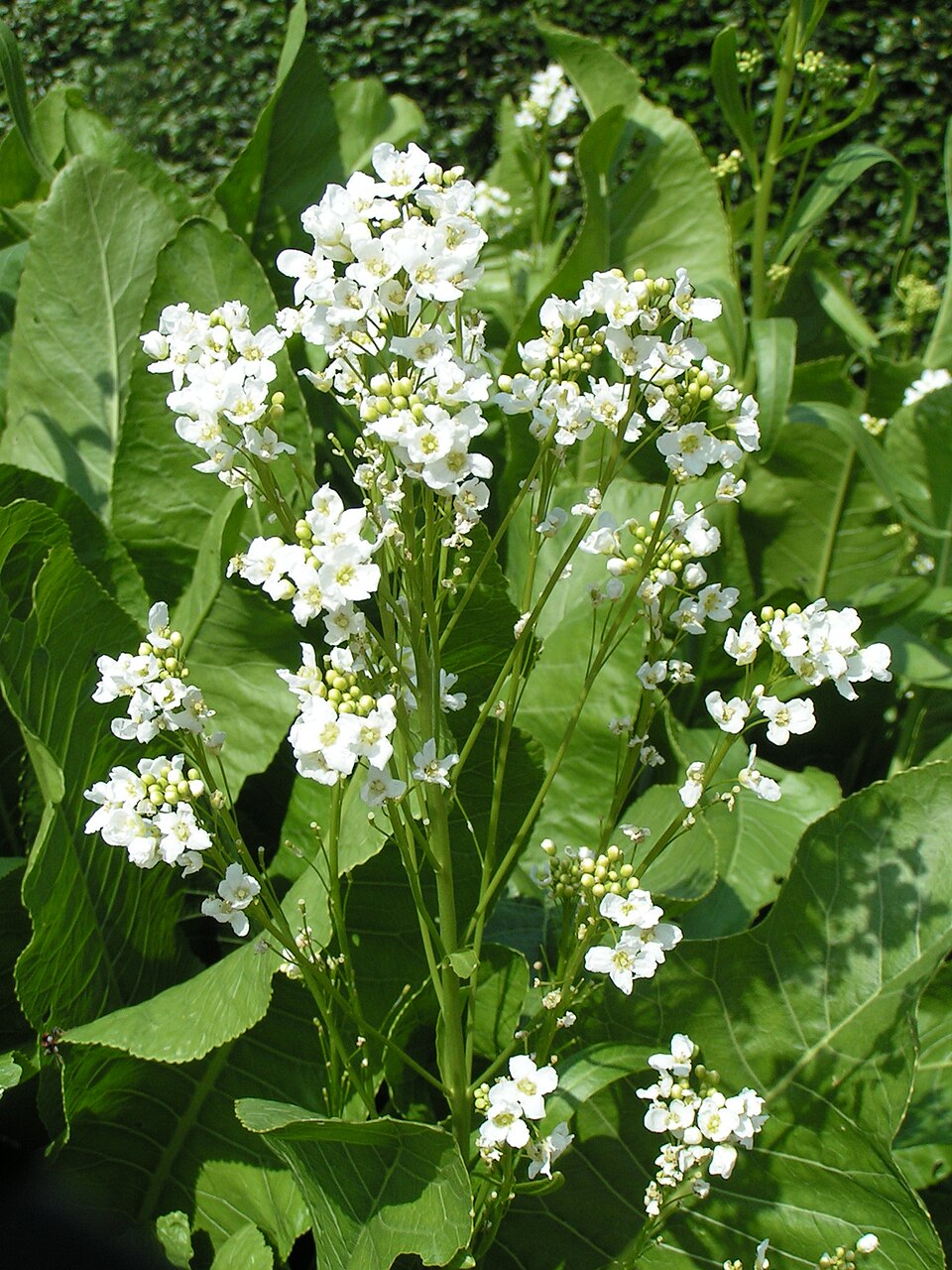
Armoracia rusticana
Harvest (months): X–XI
Processing: Culinary use, Fermentation
Pungent horseradish root; pickling and seasoning.
DetailsPhotograph on Wikimedia Commons (CC BY-SA 3.0). · Pethan · CC BY-SA 3.0
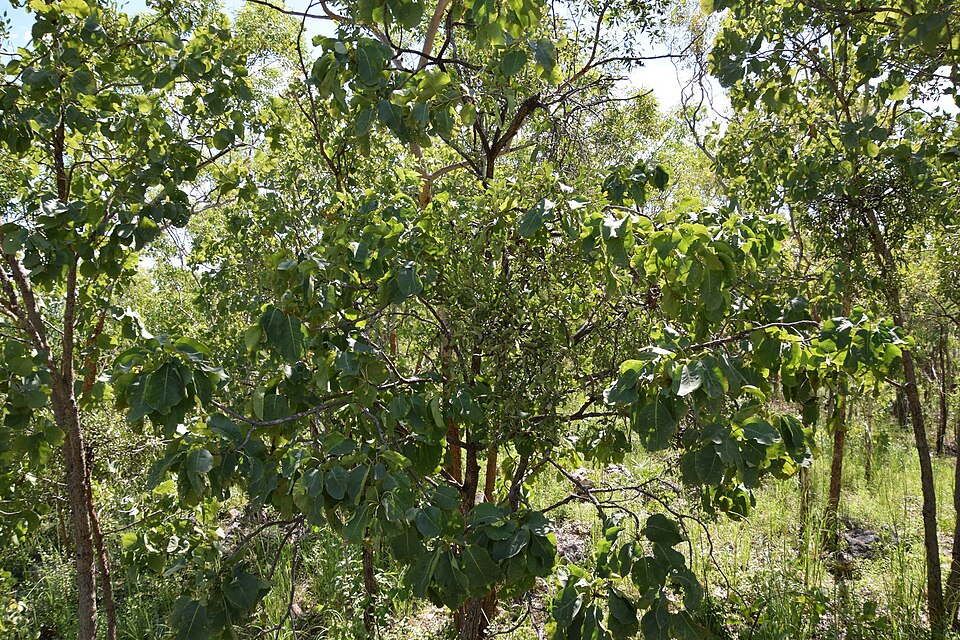
Terminalia ferdinandiana
Harvest (months): III–VI
Processing: Culinary use, Powder
Kakadu plum—Northern Territory bushfood very high in vitamin C.
DetailsPhotograph on Wikimedia Commons (CC BY 4.0). · (c) Thomas Mesaglio, some rights reserved (CC BY) · CC BY 4.0
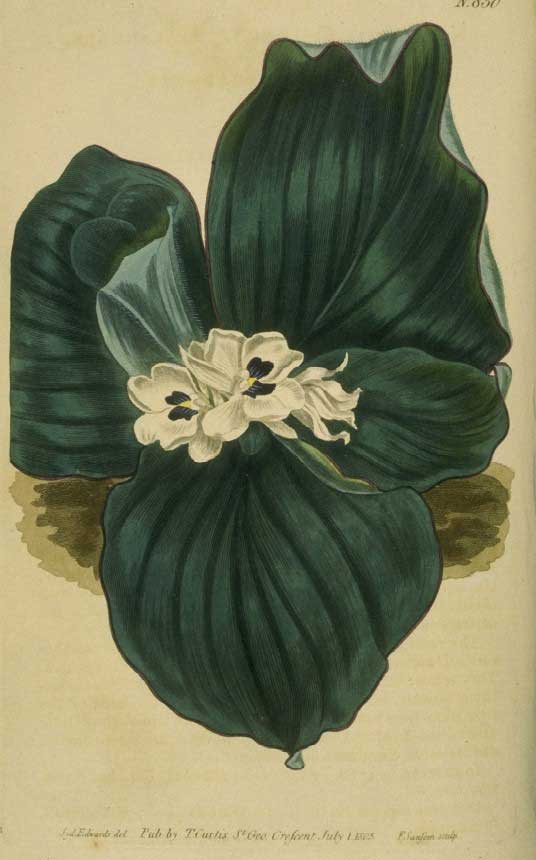
Kaempferia galanga
Harvest (months): X–XII
Processing: Culinary use, Poultice / compress
A low South-East Asian herb with an aromatic rhizome.
DetailsPhotograph on Wikimedia Commons (Public domain). · Wikimedia Commons · Public domain
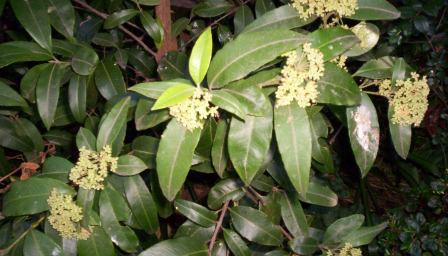
Backhousia citriodora
Harvest (months): I–XII
Processing: Herbal infusion (tea), Culinary use
Lemon myrtle—subtropical east; lemon aroma in food.
DetailsPhotograph on Wikimedia Commons (CC BY-SA 3.0). · HelloMojo · CC BY-SA 3.0
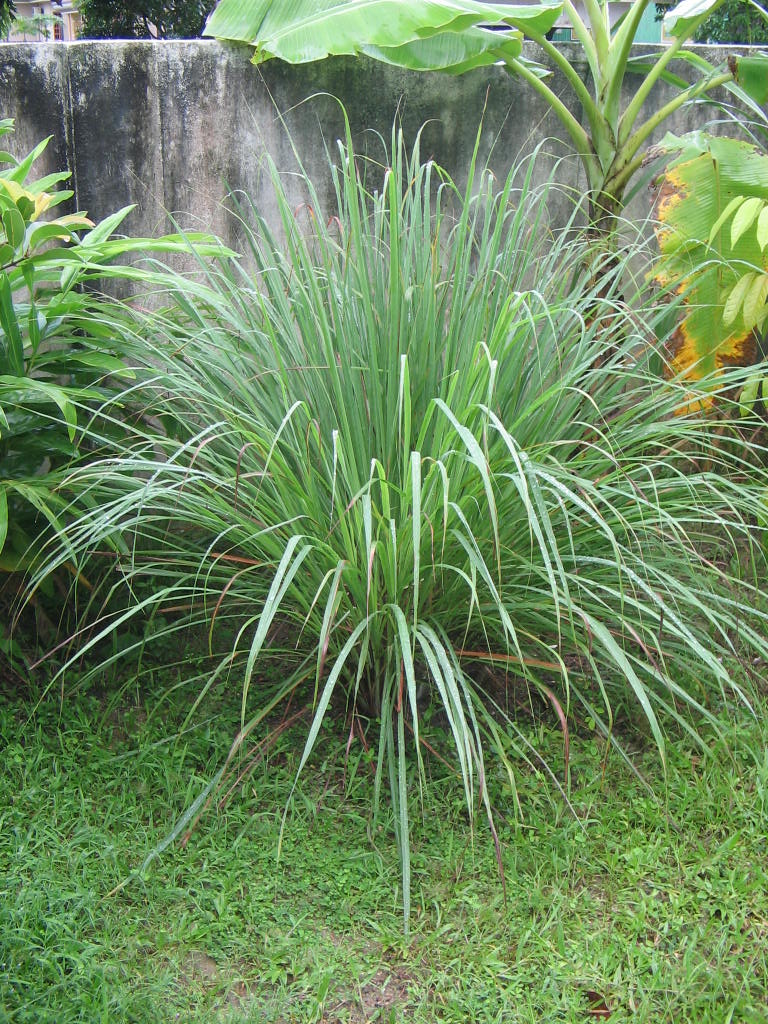
Cymbopogon citratus
Harvest (months): I–XII
Processing: Herbal infusion (tea), Culinary use
Aromatic leaves in cooking; common in tropical Asian cultivation.
DetailsPhotograph on Wikimedia Commons (CC BY 2.0). · Wikimedia Commons · CC BY 2.0
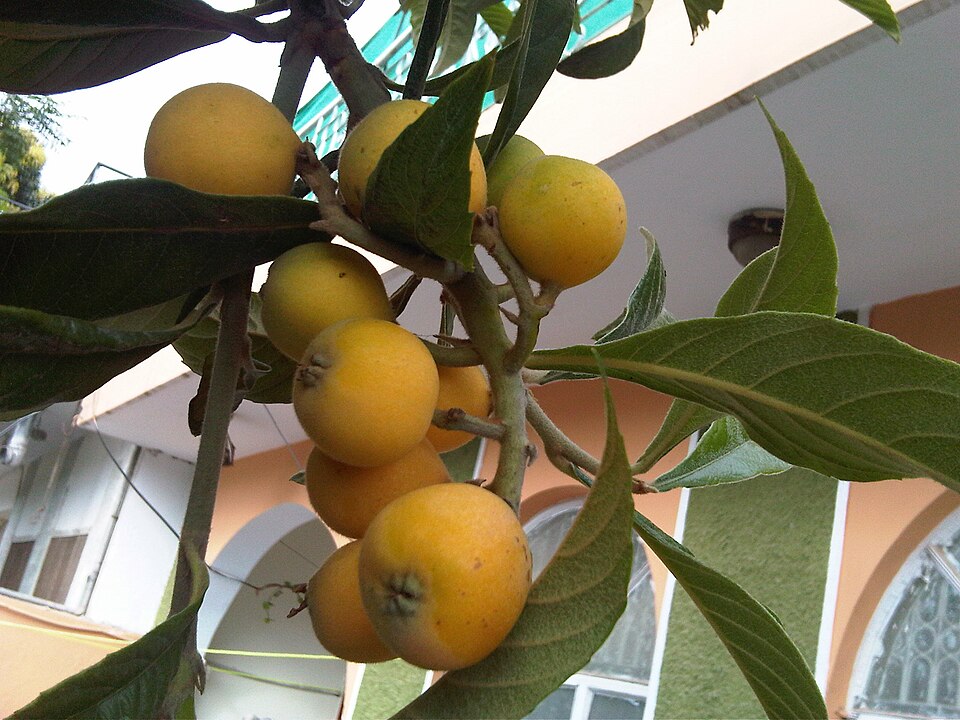
Eriobotrya japonica
Harvest (months): I–XII
Processing: Herbal infusion (tea), Culinary use
Loquat fruit in subtropical Japan; leaves in folk use.
DetailsPhotograph on Wikimedia Commons (CC BY-SA 3.0). · Illusive255 · CC BY-SA 3.0
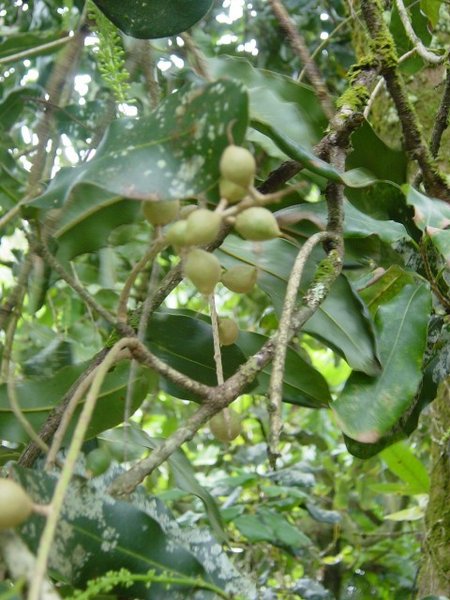
Macadamia integrifolia
Harvest (months): III–IX
Processing: Culinary use
Macadamia—subtropical east coast; nuts in cultural landscape.
DetailsPhotograph on Wikimedia Commons (CC BY-SA 3.0). · Wikimedia Commons · CC BY-SA 3.0
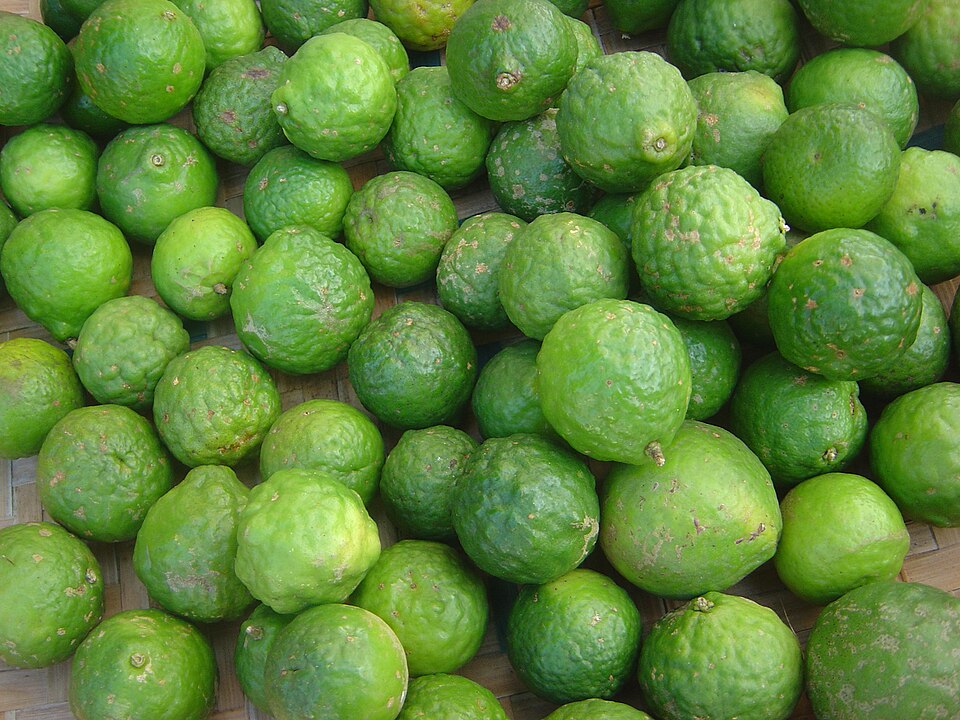
Citrus hystrix
Harvest (months): I–XII
Processing: Culinary use, Culinary use
A tropical citrus with knobby fruits; the aromatic leaves star in Thai cooking.
DetailsPhotograph on Wikimedia Commons (CC BY-SA 3.0). · David Monniaux · CC BY-SA 3.0
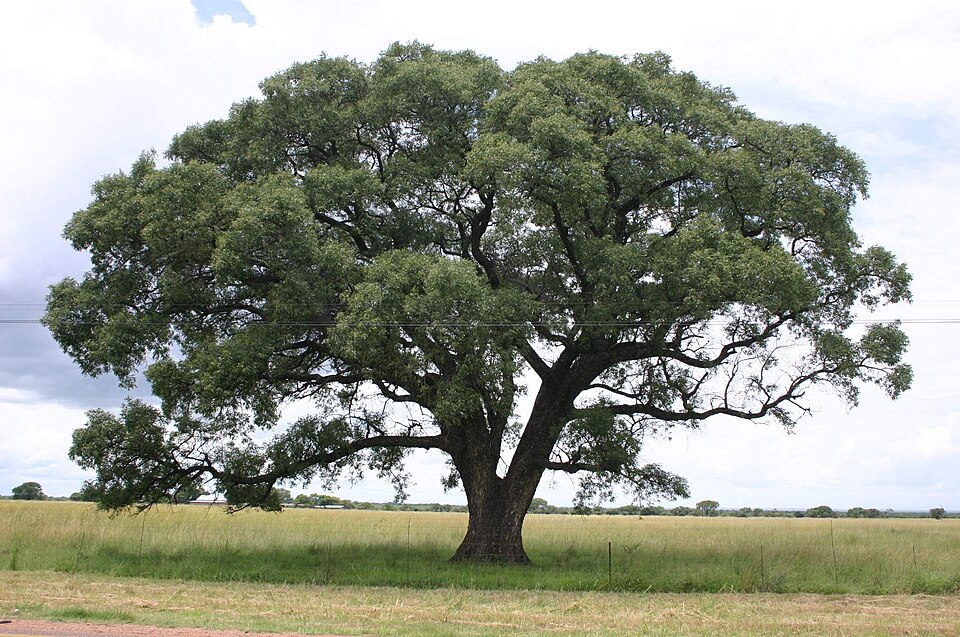
Sclerocarya birrea
Harvest (months): I–III
Processing: Culinary use, Fermentation
A southern African tree with yellow fruits rich in vitamin C.
DetailsPhotograph on Wikimedia Commons (Public domain). · Rotational · Public domain
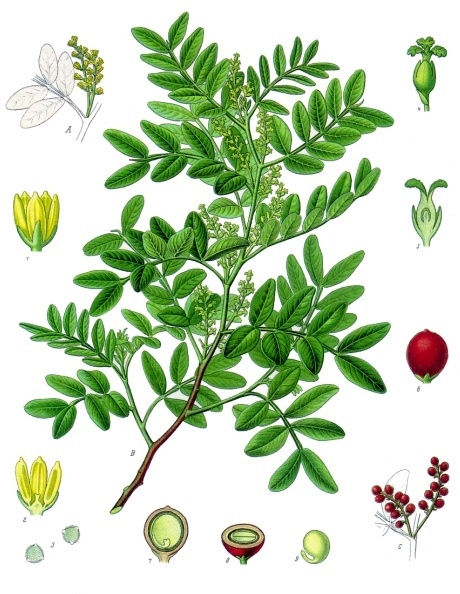
Pistacia lentiscus
Harvest (months): VII–X
Processing: Culinary use, Capsules
A Mediterranean shrub; the dried resin (mastic) is the source of chewable gum.
DetailsPhotograph on Wikimedia Commons (Public domain). · Franz Eugen Köhler, Köhler's Medizinal-Pflanzen · Public domain
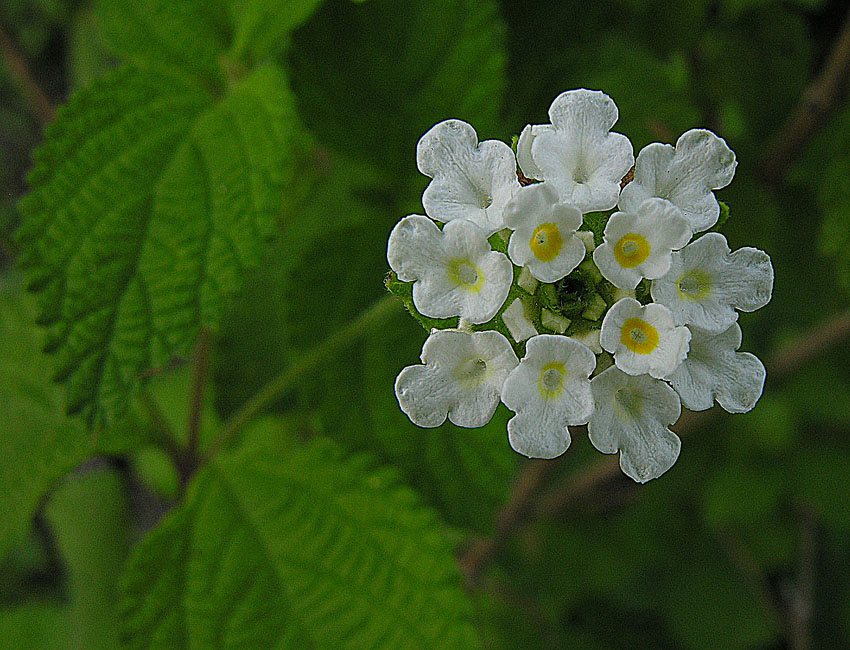
Lippia graveolens
Harvest (months): VI–IX
Processing: Culinary use, Herbal infusion (tea)
An aromatic Central American shrub; flavor recalls oregano with a citrus note.
DetailsPhotograph on Wikimedia Commons (CC BY 2.0). · Dick Culbert from Gibsons, B.C., Canada · CC BY 2.0
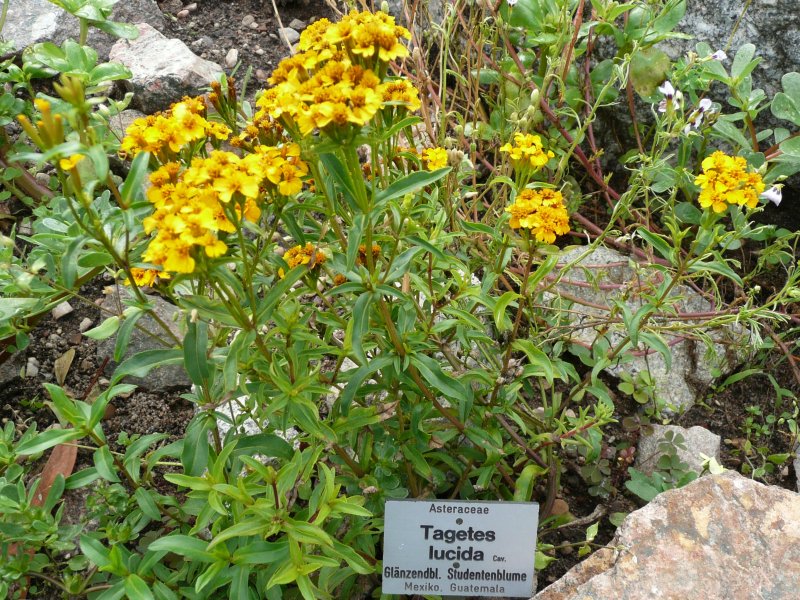
Tagetes lucida
Harvest (months): VIII–X
Processing: Herbal infusion (tea), Culinary use
A Mexican marigold relative with sweet anise-scented leaves.
DetailsPhotograph on Wikimedia Commons (CC BY-SA 3.0). · manfred.sause@volloeko.de · CC BY-SA 3.0
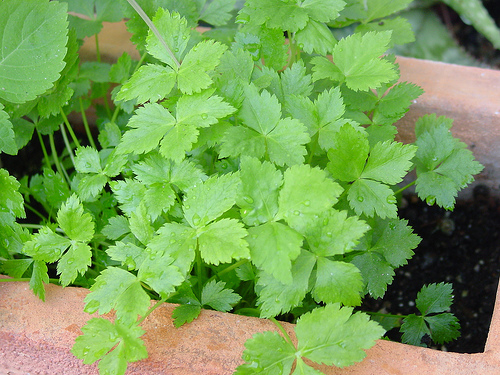
Cryptotaenia japonica
Harvest (months): III–VI
Processing: Culinary use, Fresh (raw) preparation
Mitsuba—shade of moist woods and Japanese gardens.
DetailsPhotograph on Wikimedia Commons (CC BY-SA 3.0). · No machine-readable author provided. Mbc assumed (based on copyright claims). · CC BY-SA 3.0
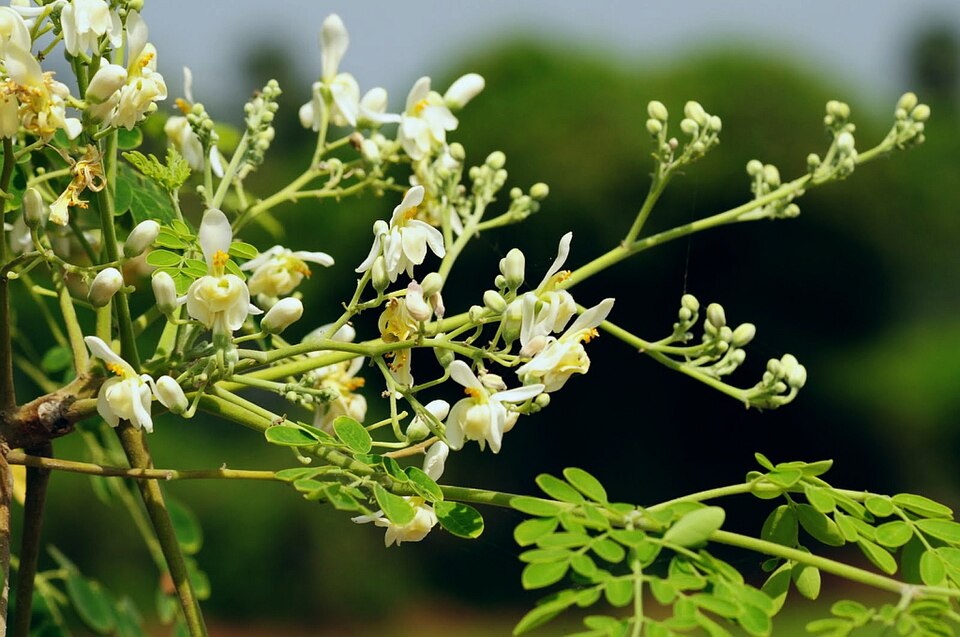
Moringa oleifera
Harvest (months): I–XII
Processing: Powder, Culinary use
A fast-growing tropical tree with pods and nutritious leaflets — the 'miracle tree'.
DetailsPhotograph on Wikimedia Commons (CC BY-SA 3.0). · Venkatx5 · CC BY-SA 3.0
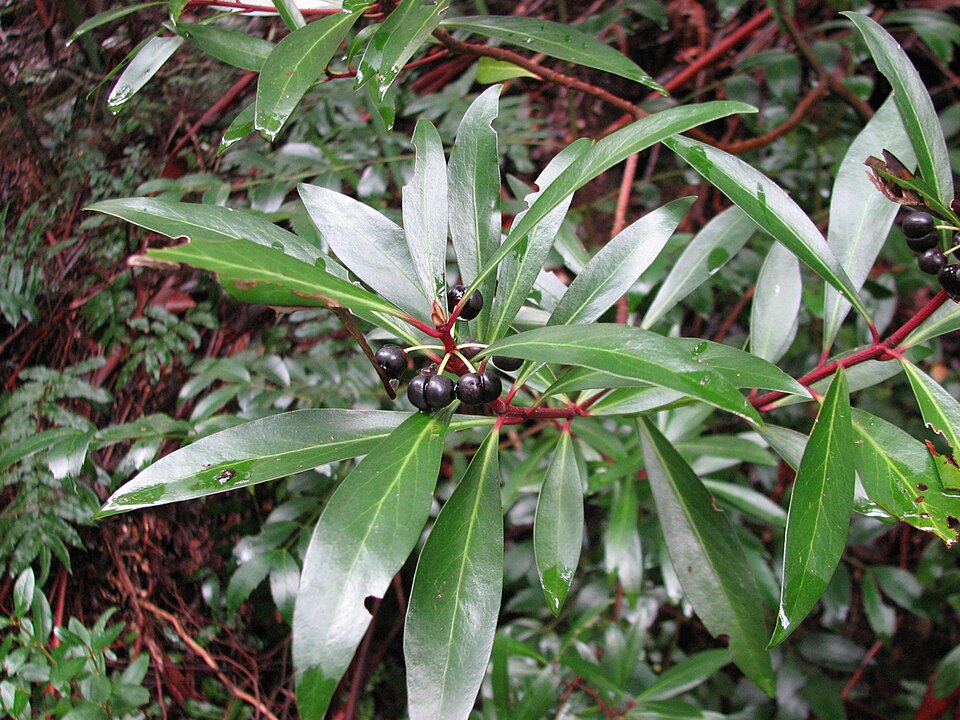
Tasmannia lanceolata
Harvest (months): I–XII
Processing: Culinary use, Powder
Tasmanian pepper—mountain "pepperberry" in modern kitchens.
DetailsPhotograph on Wikimedia Commons (CC BY 3.0). · Melburnian · CC BY 3.0
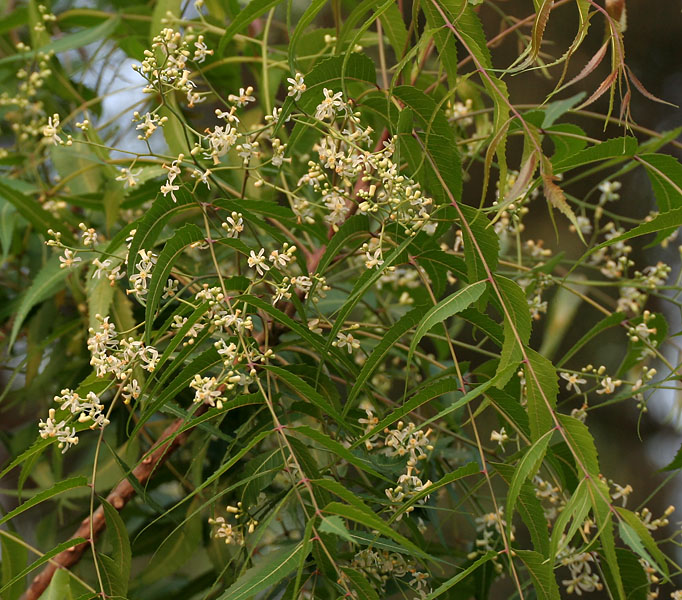
Azadirachta indica
Harvest (months): I–XII
Processing: Bath additive, Herbal oil
An Indian tree with bitter leaves and oil-rich seeds.
DetailsPhotograph on Wikimedia Commons (CC BY 3.0). · J.M.Garg · CC BY 3.0
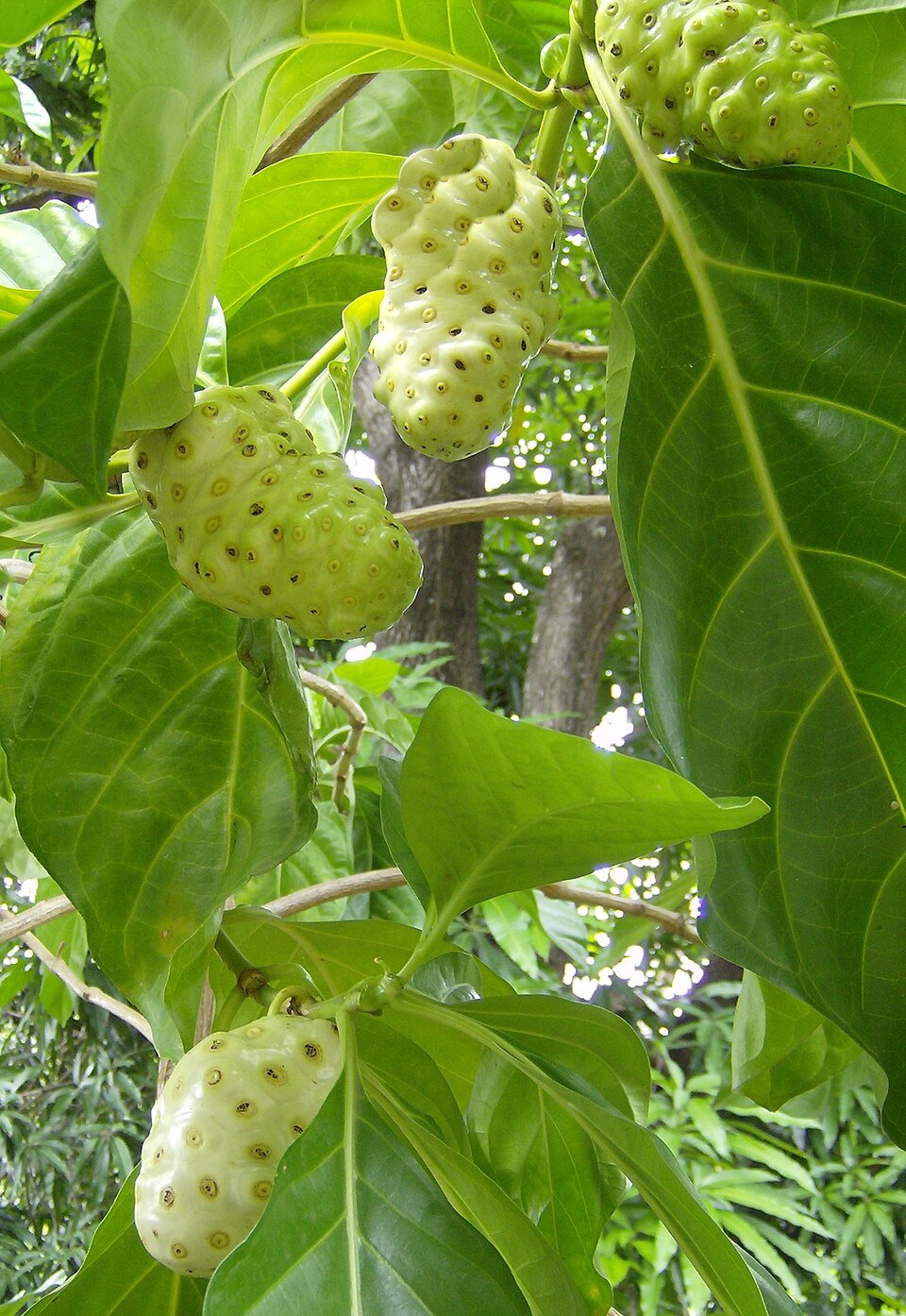
Morinda citrifolia
Harvest (months): I–XII
Processing: Fermentation, Culinary use
Noni fruit in tropical tradition; distribution includes Myanmar region.
DetailsPhotograph on Wikimedia Commons (CC0). · Wilfredor · CC0
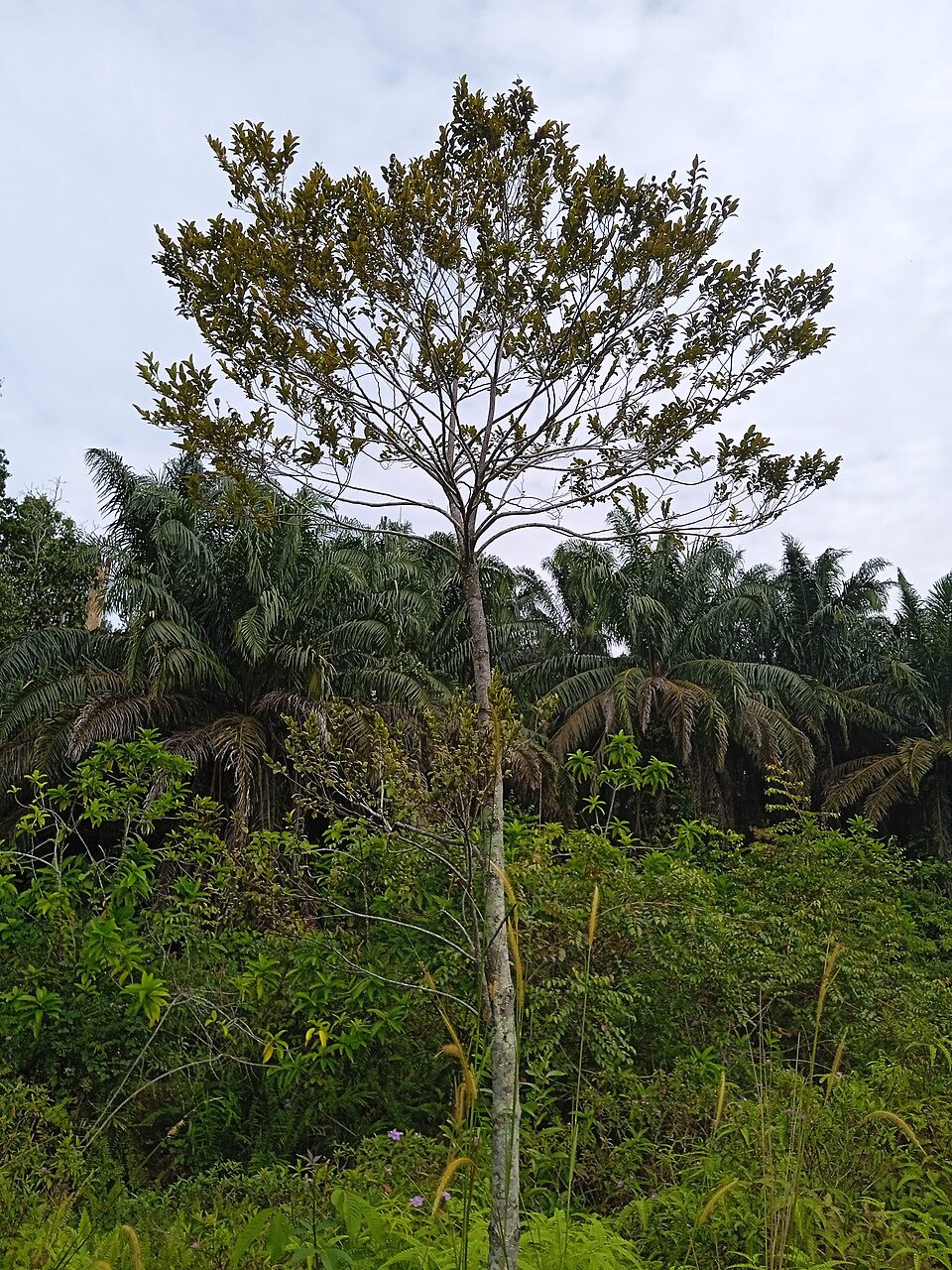
Myristica fragrans
Harvest (months): VII–IX
Processing: Culinary use, Powder
An Indonesian tree whose seeds yield nutmeg and the aril yields mace.
DetailsPhotograph on Wikimedia Commons (CC0). · Wiki Farazi · CC0
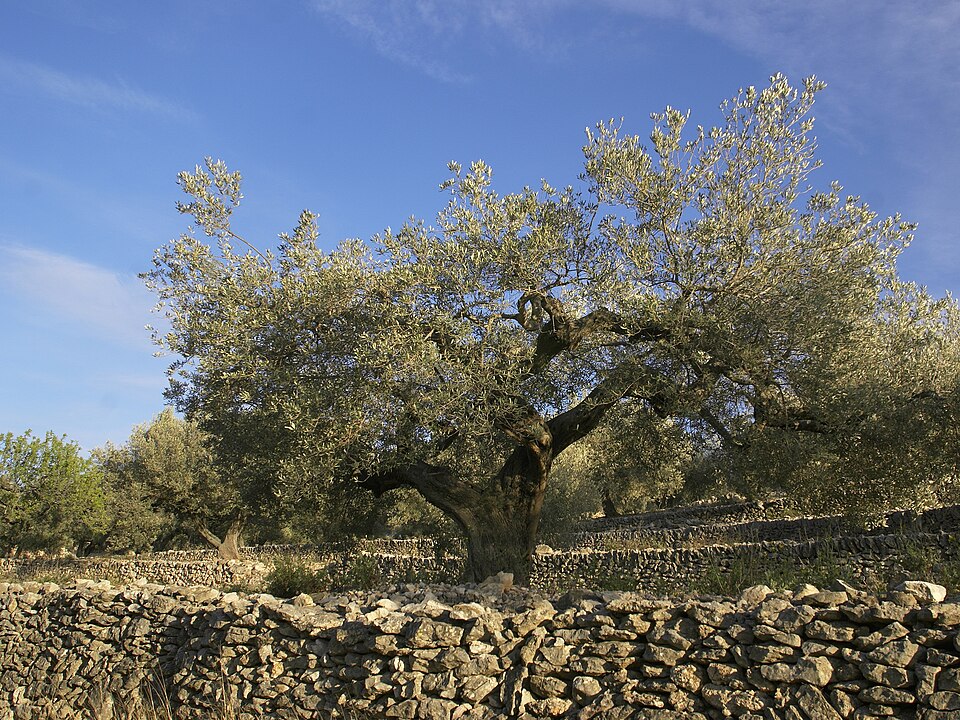
Olea europaea
Harvest (months): IV–XII
Processing: Herbal infusion (tea), Culinary use
Mediterranean tree—not a meadow sage; oil and leaves in tradition.
DetailsPhotograph on Wikimedia Commons (CC BY-SA 3.0). · Hans Hillewaert · CC BY-SA 3.0
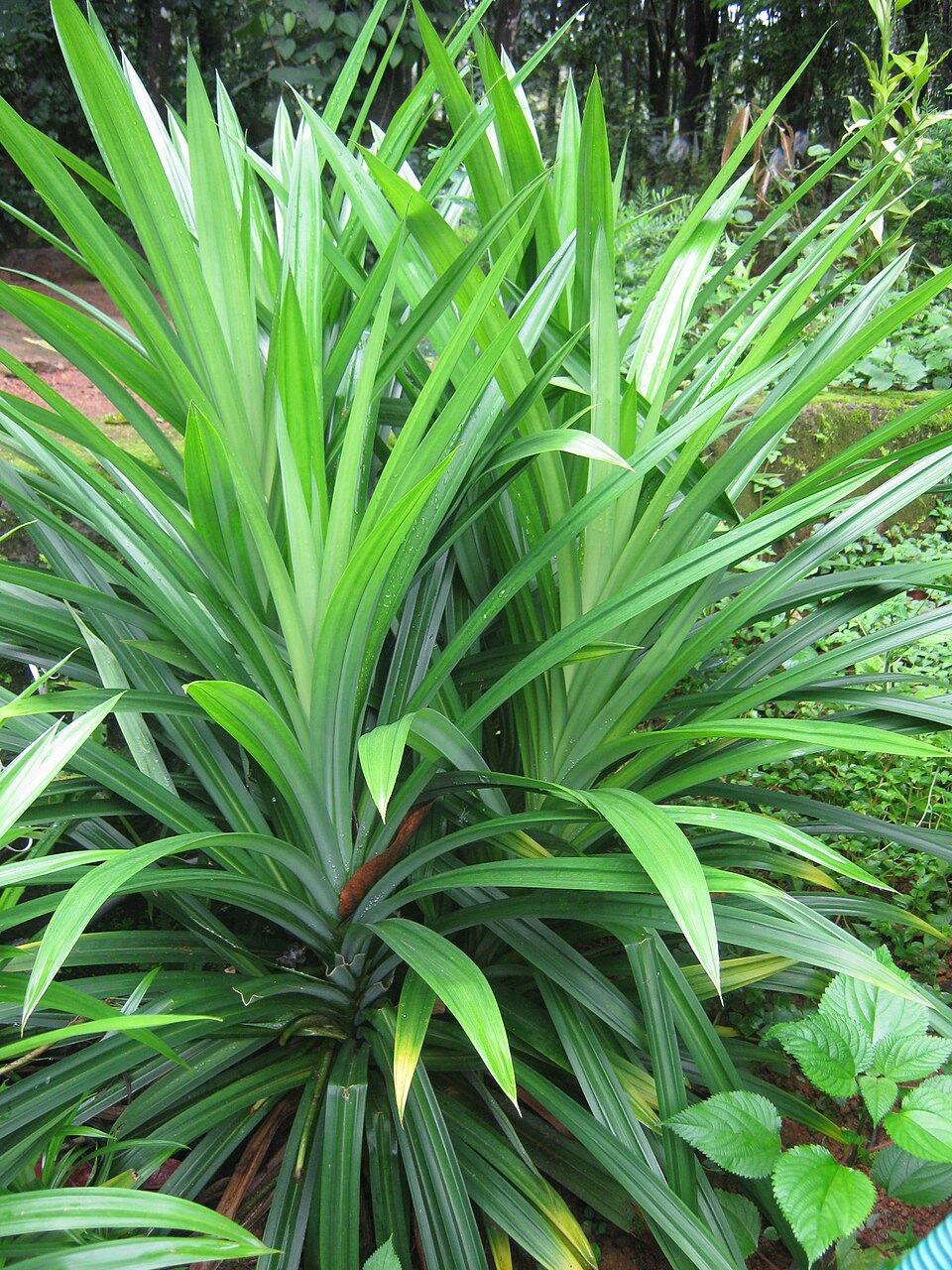
Pandanus amaryllifolius
Harvest (months): I–XII
Processing: Culinary use, Herbal infusion (tea)
A South-East Asian herb with long leaves; a key aroma in Thai and Malay desserts.
DetailsPhotograph on Wikimedia Commons (CC BY-SA 3.0). · Zuhairali · CC BY-SA 3.0
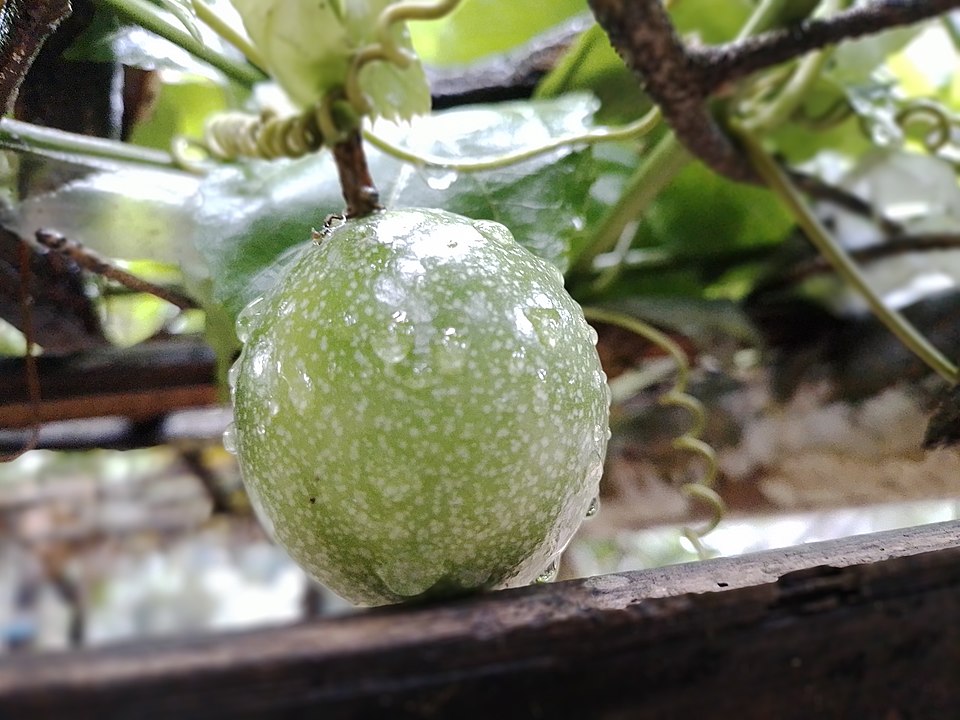
Passiflora edulis
Harvest (months): I–XII
Processing: Syrup, Culinary use
Passion fruit—tropical fruit widely grown in Brazil.
DetailsPhotograph on Wikimedia Commons (CC BY-SA 4.0). · Rarani · CC BY-SA 4.0
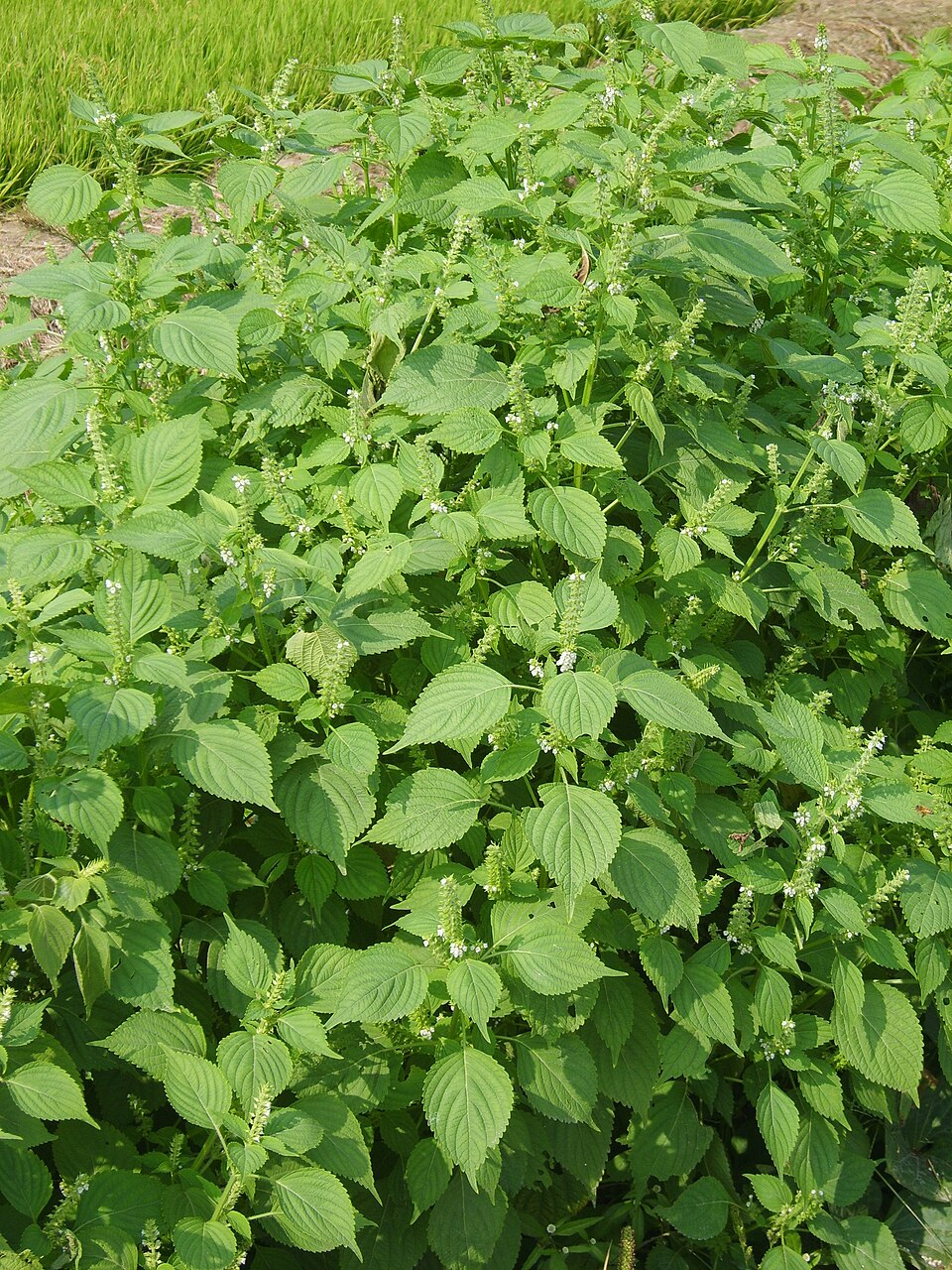
Perilla frutescens
Harvest (months): VI–XI
Processing: Herbal vinegar, Culinary use
Shiso / egoma—widely in Japanese cuisine and cultivation.
DetailsPhotograph on Wikimedia Commons (CC BY-SA 3.0). · Dalgial · CC BY-SA 3.0
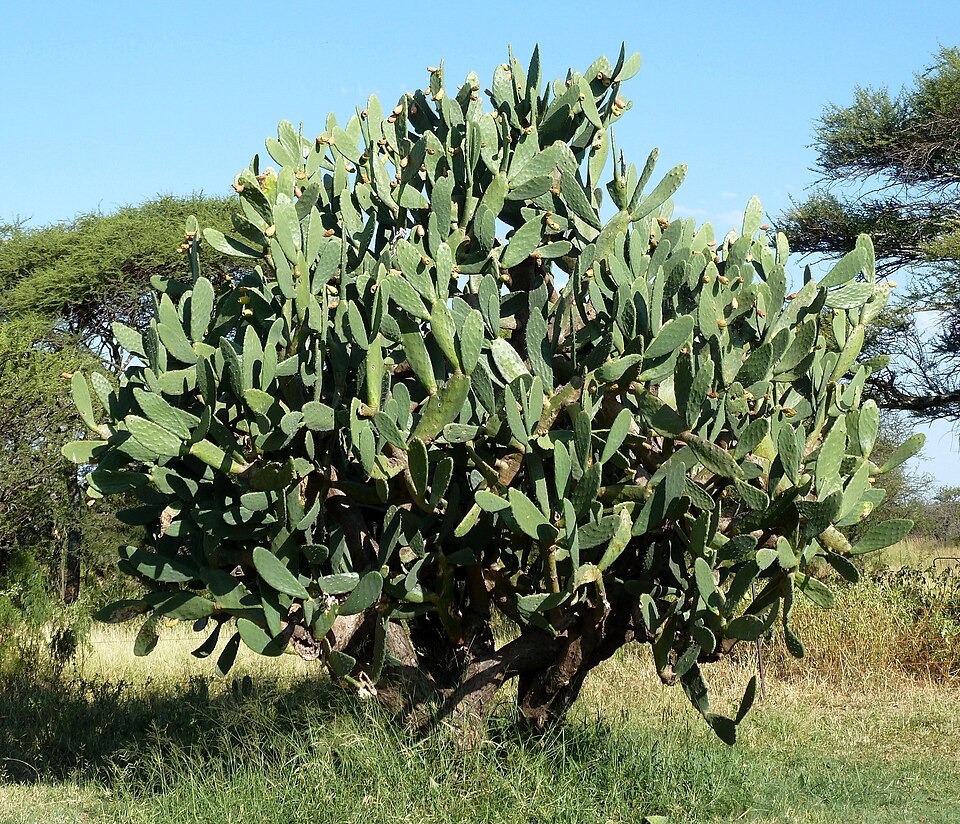
Opuntia ficus-indica
Harvest (months): VII–X
Processing: Culinary use, Culinary use
A Mexican cactus with sweet fruits and edible young pads.
DetailsPhotograph on Wikimedia Commons (CC BY-SA 3.0). · JMK · CC BY-SA 3.0
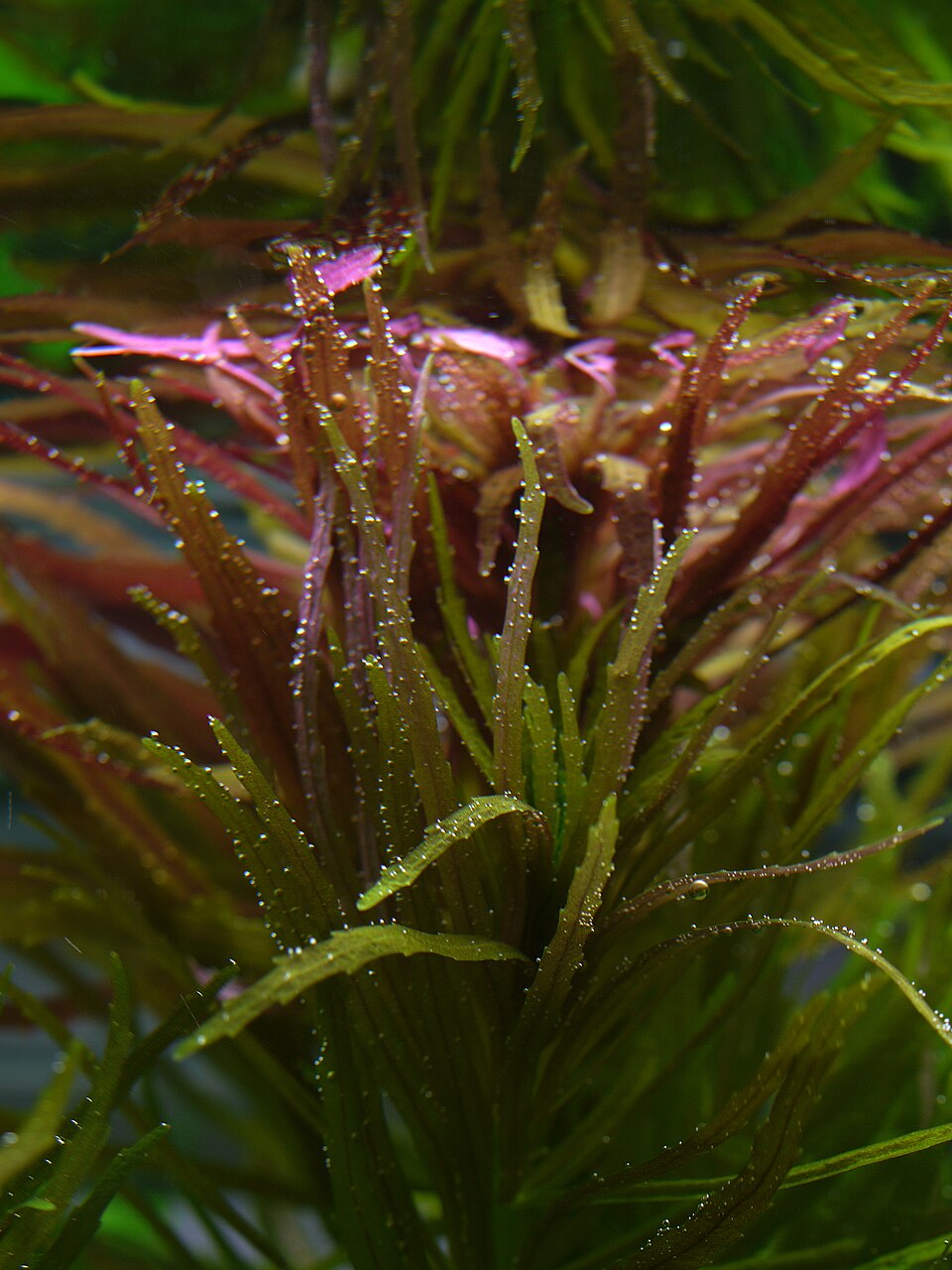
Limnophila aromatica
Harvest (months): I–XII
Processing: Culinary use
A Vietnamese paddy herb with an aroma between lemon and cumin.
DetailsPhotograph on Wikimedia Commons (CC BY-SA 2.0). · Emilia Murray · CC BY-SA 2.0
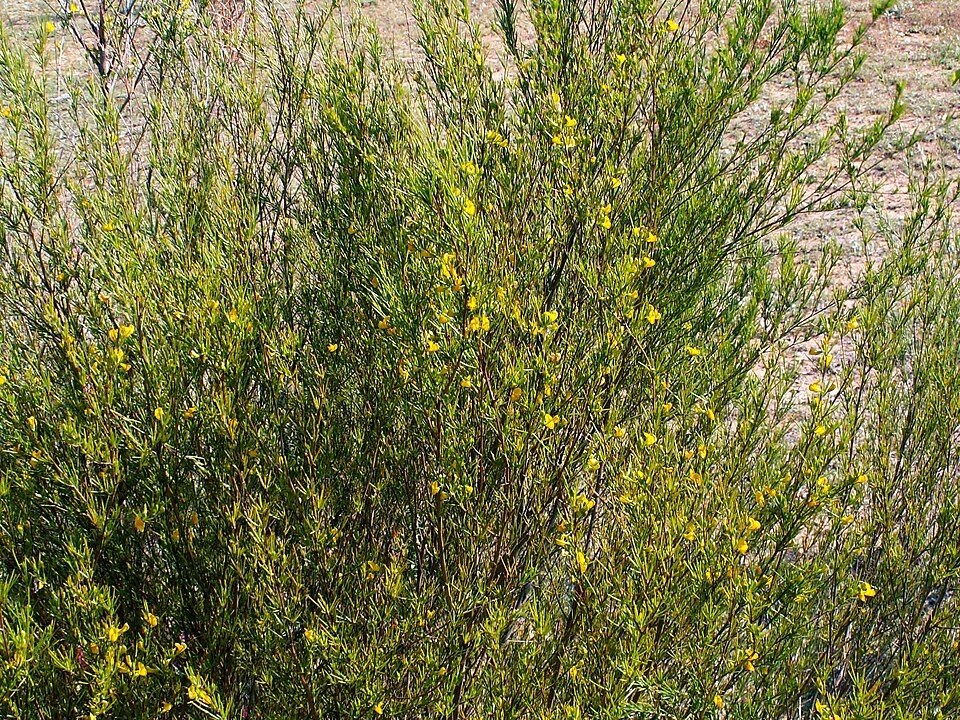
Aspalathus linearis
Harvest (months): I–IV
Processing: Herbal infusion (tea), Fermentation
A South African legume shrub with needle-like leaves; the source of the red tea.
DetailsPhotograph on Wikimedia Commons (CC BY-SA 2.5). · Winfried Bruenken ( Amrum ) · CC BY-SA 2.5
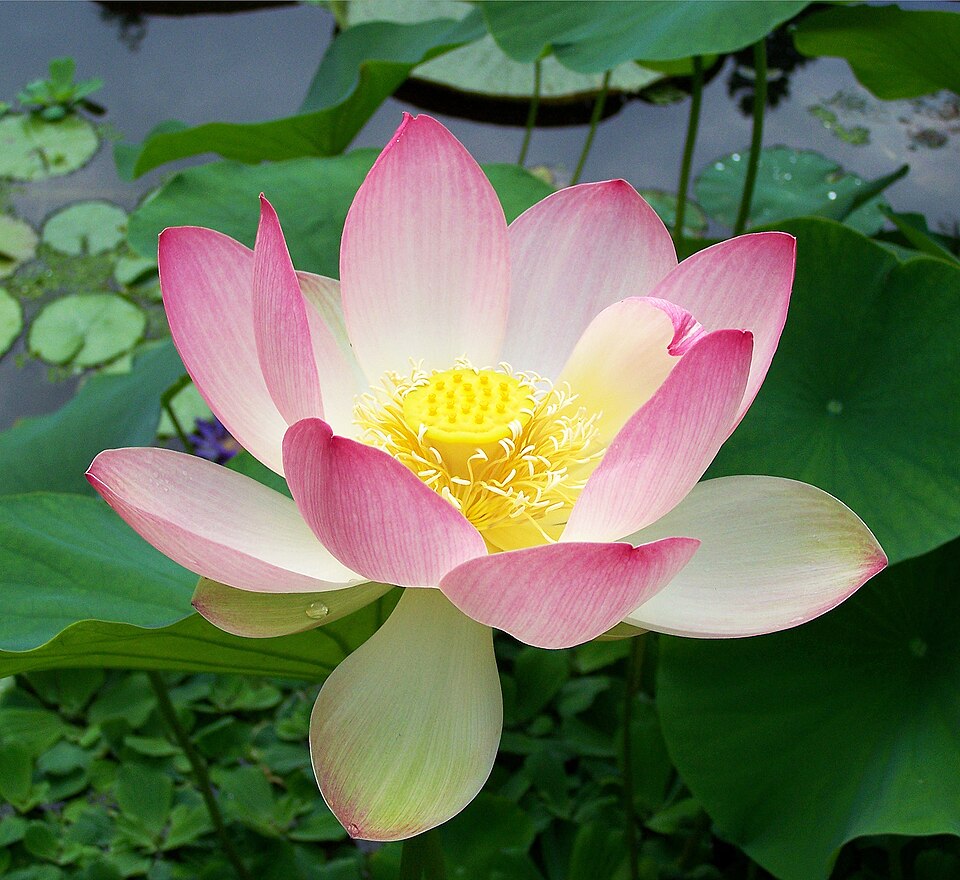
Nelumbo nucifera
Harvest (months): VI–IX
Processing: Herbal infusion (tea), Culinary use
Lotus—symbol and food in Asia; ponds and tropical pools.
DetailsPhotograph on Wikimedia Commons (CC BY-SA 3.0). · T.Voekler · CC BY-SA 3.0
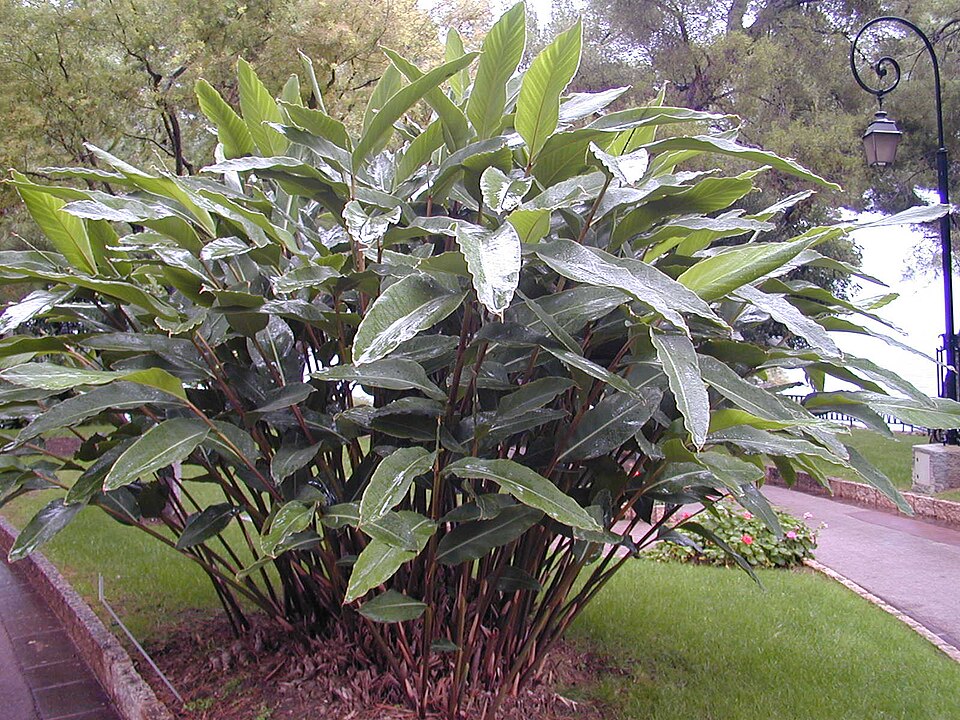
Alpinia zerumbet
Harvest (months): I–XII
Processing: Culinary use, Herbal infusion (tea)
A tall tropical ginger-family herb with striking shell-like flowers.
DetailsPhotograph on Wikimedia Commons (CC BY-SA 3.0). · Semnoz · CC BY-SA 3.0
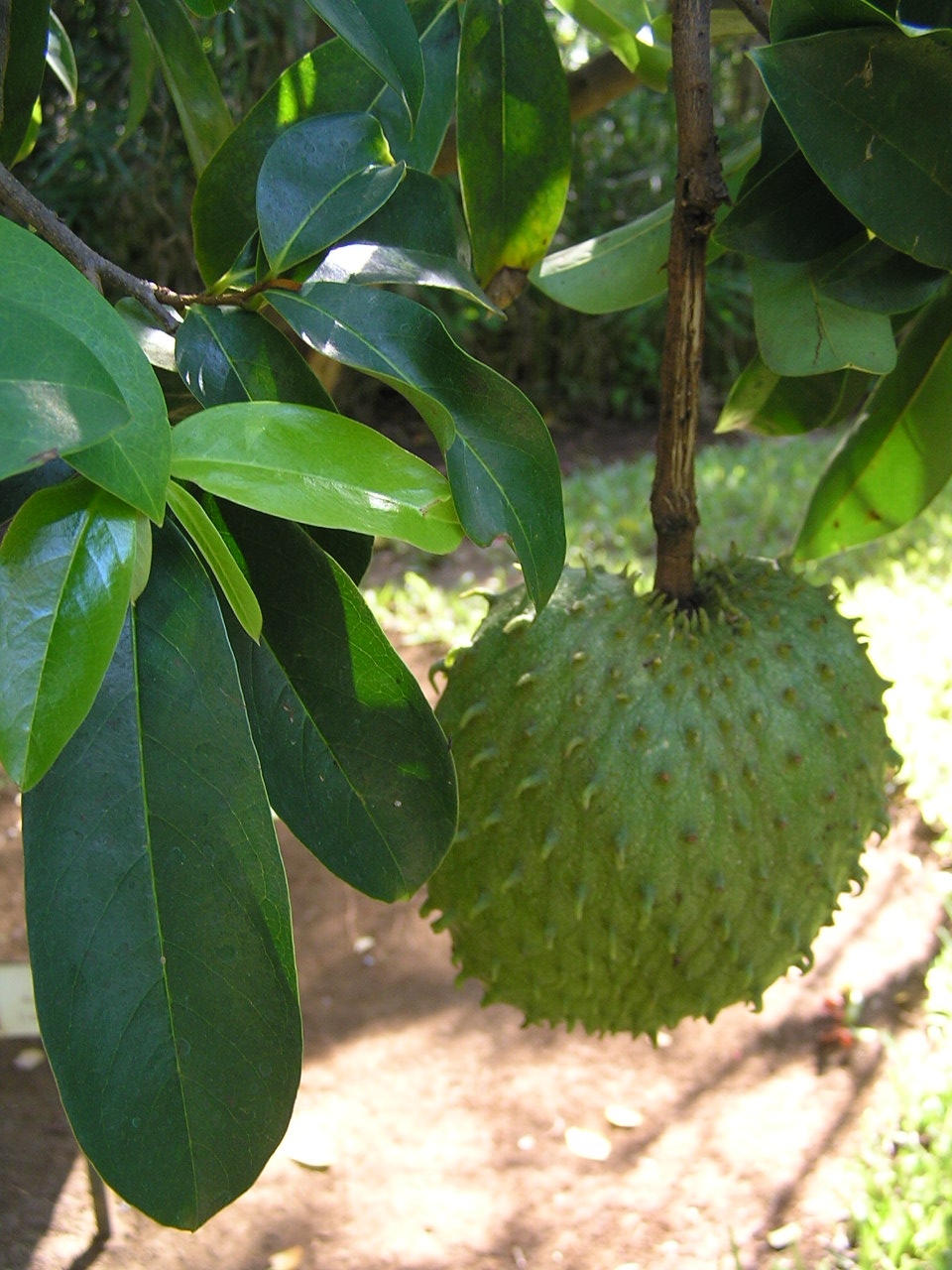
Annona muricata
Harvest (months): I–XII
Processing: Culinary use, Herbal infusion (tea)
A tropical tree with large spiny fruits and creamy white flesh.
DetailsPhotograph on Wikimedia Commons (CC BY 2.0). · Damien Boilley from suburbs of Paris, France · CC BY 2.0

Urtica dioica
Harvest (months): IV–VI
Processing: Herbal infusion (tea), Culinary use
Known for its stinging hairs and nutritious leaves.
DetailsHistorical illustration (Köhler).
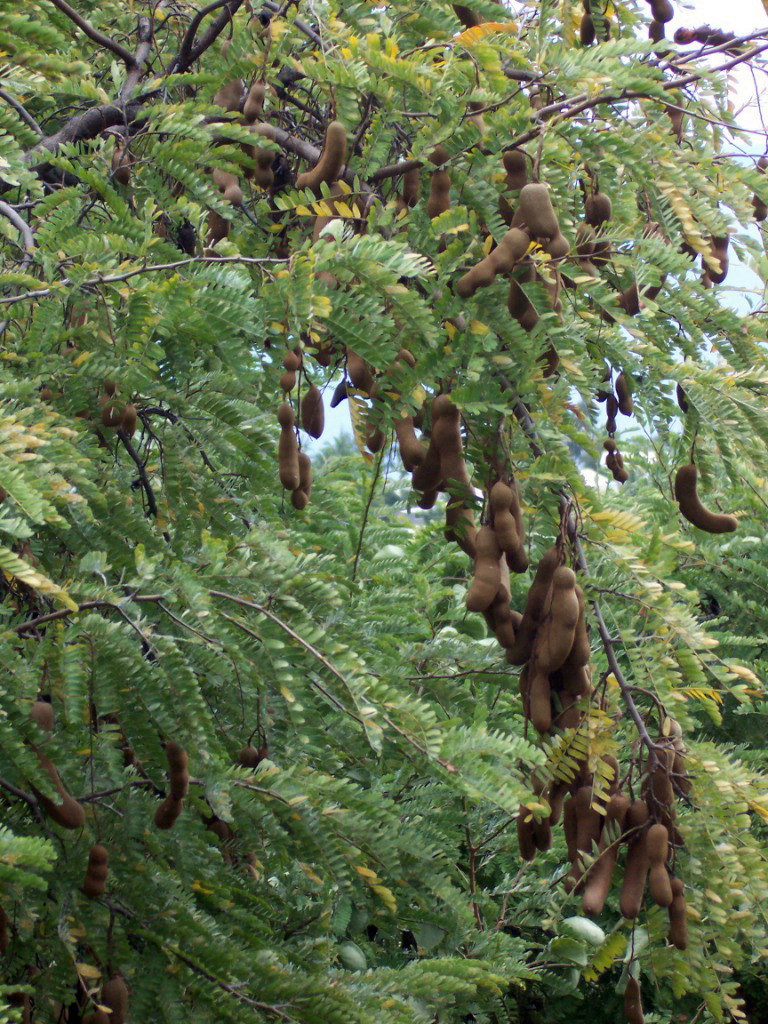
Tamarindus indica
Harvest (months): II–IV
Processing: Culinary use, Syrup
A tropical tree whose pods hold a sweet-tangy brown pulp.
DetailsPhotograph on Wikimedia Commons (CC BY 2.5). · B.navez · CC BY 2.5
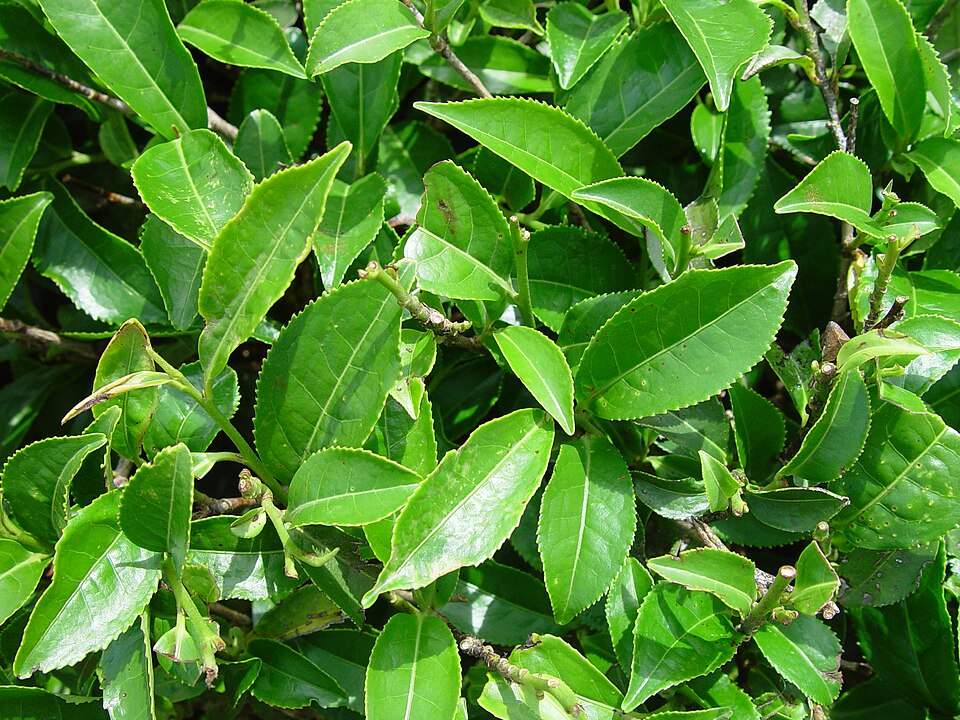
Camellia sinensis
Harvest (months): IV–V
Processing: Herbal infusion (tea), Powder
Tea plant—widespread culture in Myanmar and neighbouring countries.
DetailsPhotograph on Wikimedia Commons (Public domain). · AxelBoldt at en.wikipedia · Public domain
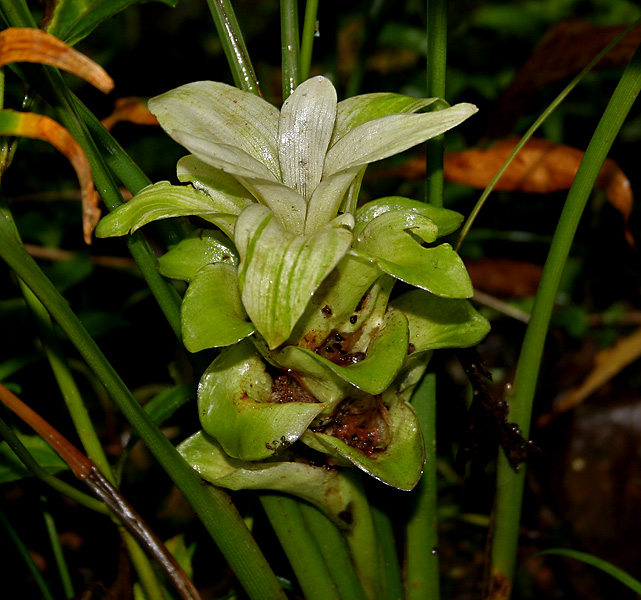
Curcuma longa
Harvest (months): I–III
Processing: Decoction, Powder
Rhizome (turmeric) widely used in Asia; native to tropical Asia.
DetailsPhotograph on Wikimedia Commons (CC BY 3.0). · J.M.Garg · CC BY 3.0
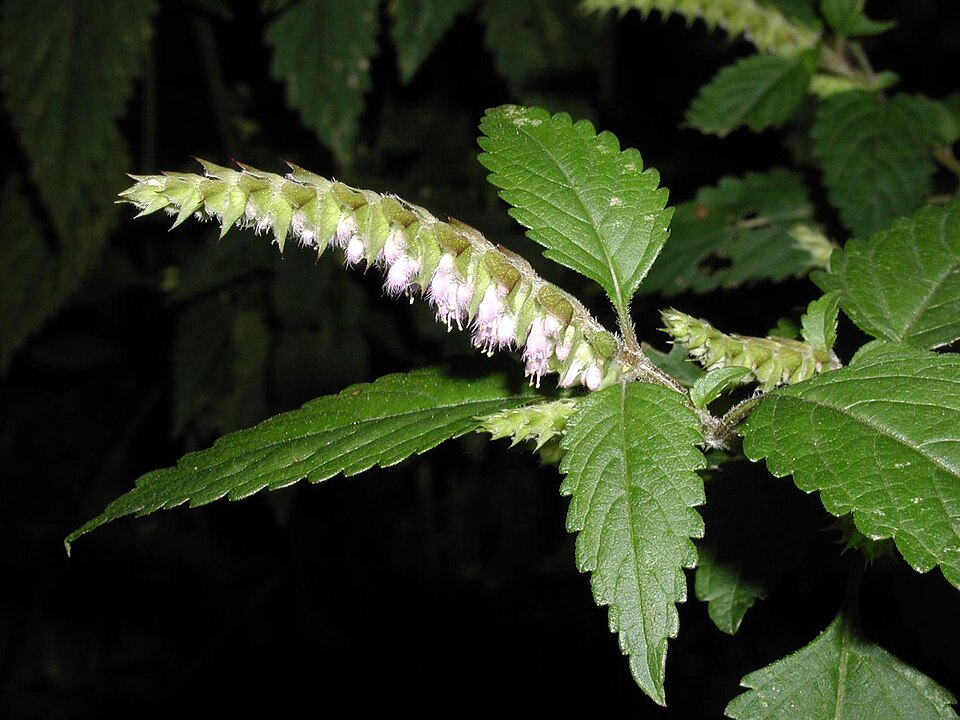
Elsholtzia ciliata
Harvest (months): VIII–IX
Processing: Culinary use, Inhalation
An annual East Asian mint-family herb with a mint-lemon aroma.
DetailsPhotograph on Wikimedia Commons (CC BY 3.0). · Leslie J. Mehrhoff, University of Connecticut, Bugwood.org · CC BY 3.0
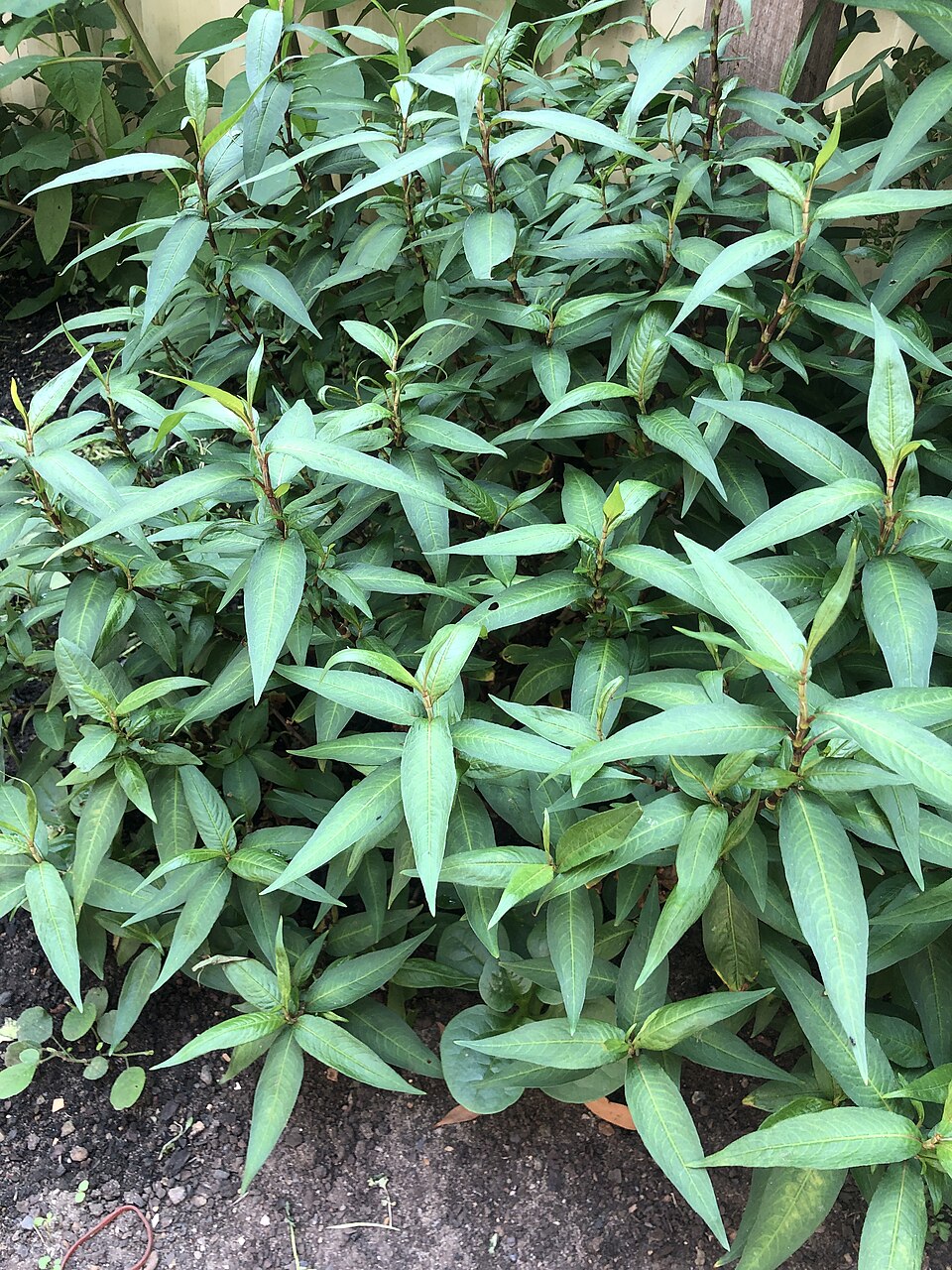
Persicaria odorata
Harvest (months): I–XII
Processing: Culinary use, Poultice / compress
A Vietnamese knotweed-family herb with a sharp coriander-citrus aroma.
DetailsPhotograph on Wikimedia Commons (CC BY-SA 4.0). · Joditran · CC BY-SA 4.0
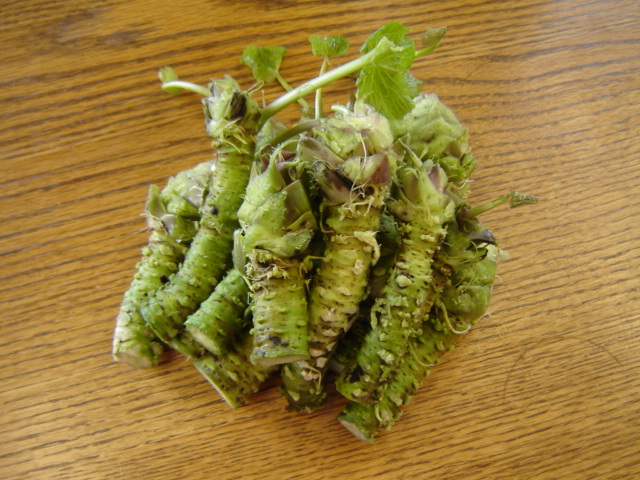
Wasabia japonica
Harvest (months): I–XII
Processing: Culinary use, Powder
Wasabi of cold spring gravel in mountains; culinary rhizome.
DetailsPhotograph on Wikimedia Commons (Public domain). · Sabigirl at English Wikipedia · Public domain
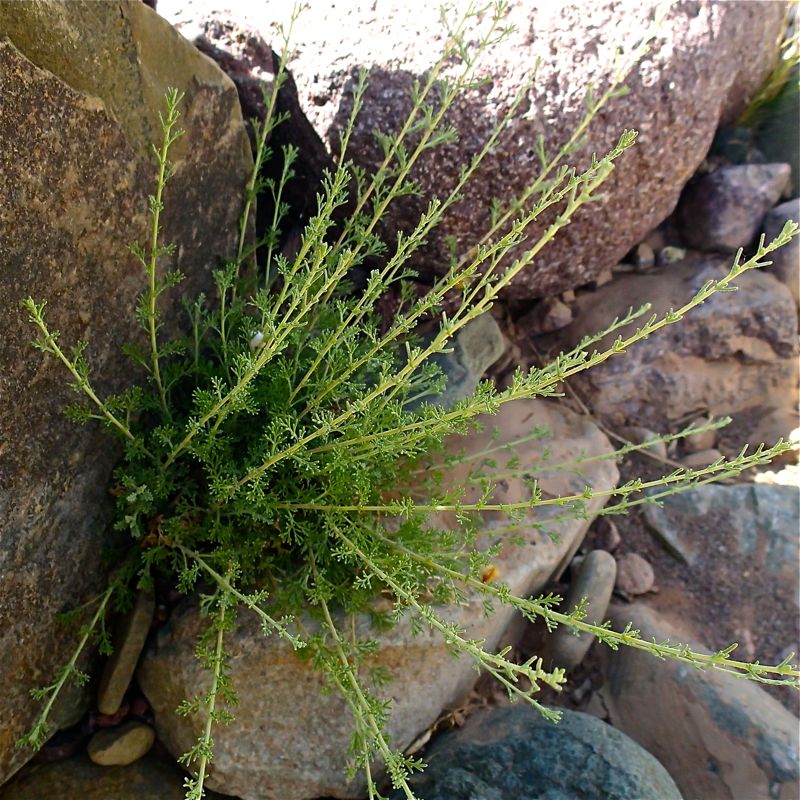
Artemisia herba-alba
Harvest (months): III–VI
Processing: Herbal infusion (tea), Culinary use
White wormwood dominant on dry Maghreb grasslands toward desert.
DetailsPhotograph on Wikimedia Commons (CC BY-SA 3.0). · Floratrek · CC BY-SA 3.0
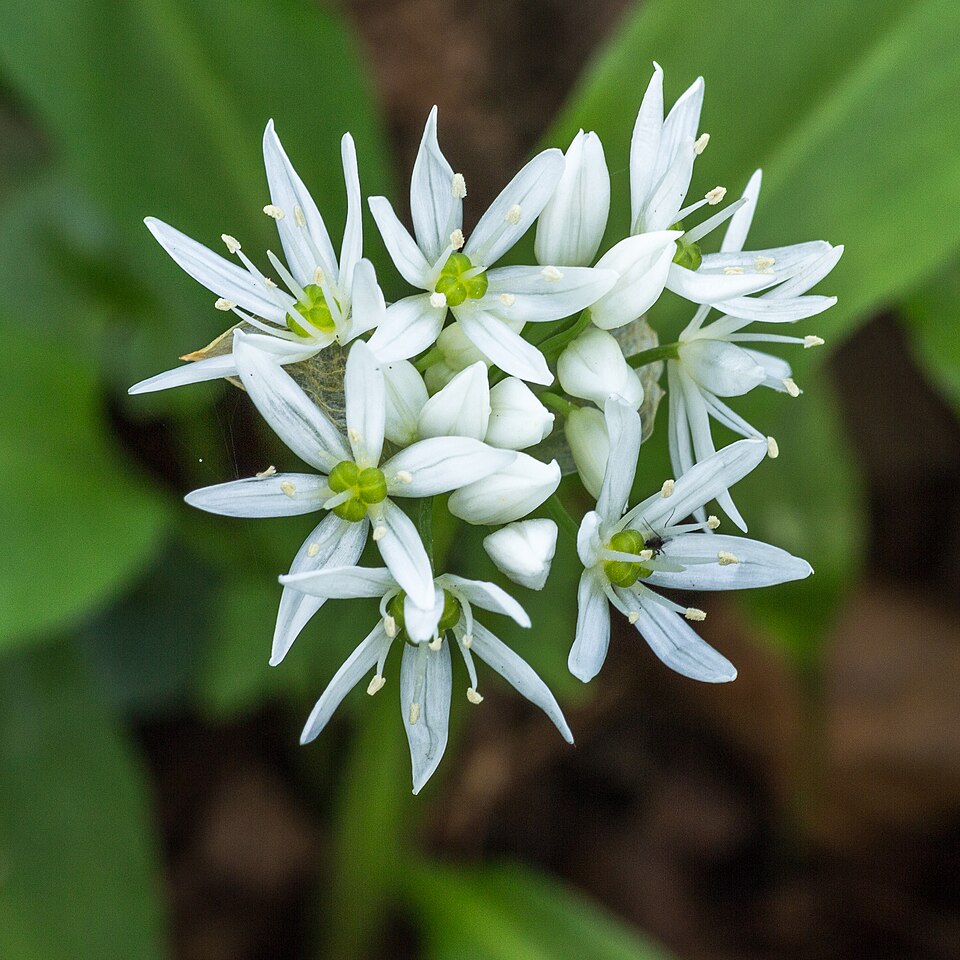
Allium ursinum
Harvest (months): IV–V
Processing: Herbal infusion (tea), Culinary use
Spring leaves in floodplain woods; strong garlic scent.
DetailsPhotograph on Wikimedia Commons (CC BY-SA 4.0). · Agnes Monkelbaan · CC BY-SA 4.0
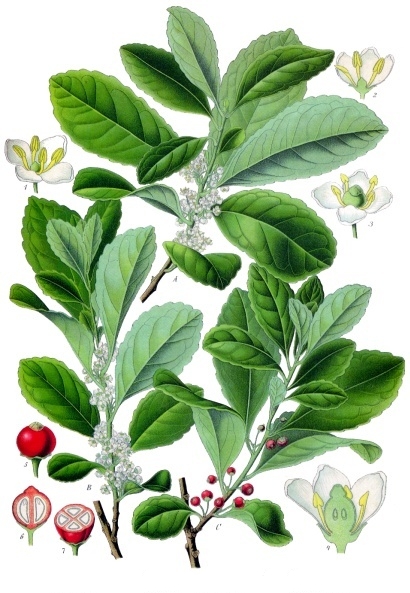
Ilex paraguariensis
Harvest (months): V–IX
Processing: Herbal infusion (tea), Culinary use
Yerba mate—major cultural drink in southern Brazil and region.
DetailsPhotograph on Wikimedia Commons (Public domain). · Franz Eugen Köhler, Köhler's Medizinal-Pflanzen · Public domain