
Dandelion
Taraxacum officinale
Harvest (months): III–XI
Processing: Tincture, Fresh (raw) preparation
A nectar-rich plant with a bitter taproot and edible greens.
DetailsImage source
Photograph on Wikimedia Commons.
Catalogue
By name, harvest season or preparation method.
Showing 24 of 87 — 87 herbs in the list
Active filters — tap one to remove it:
Taraxacum officinale
Harvest (months): III–XI
Processing: Tincture, Fresh (raw) preparation
A nectar-rich plant with a bitter taproot and edible greens.
DetailsPhotograph on Wikimedia Commons.
Harpagophytum procumbens
Harvest (months): IV–VII
Processing: Cold maceration, Capsules
A southern African perennial with hooked fruits and a thick taproot.
DetailsPhotograph on Wikimedia Commons (Attribution). · The original uploader was Henri pidoux at French Wikipedia . · Attribution
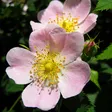
Rosa canina
Harvest (months): V–VII
Processing: Herbal infusion (tea), Honey macerate
Thorns and hips; scrub roses.
DetailsPhotograph on Wikimedia Commons (CC BY-SA 3.0). · Roberta F. · CC BY-SA 3.0
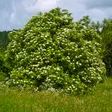
Sambucus nigra
Harvest (months): V–VI
Processing: Herbal infusion (tea), Syrup
Flowers and berries in tradition; raw parts need care.
DetailsPhotograph on Wikimedia Commons (CC BY 2.5). · Willow · CC BY 2.5
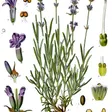
Lavandula angustifolia
Harvest (months): V–VII
Processing: Herbal infusion (tea), Honey macerate
Narrow aromatic leaves and purple flowers.
DetailsPhotograph on Wikimedia Commons (Public domain). · Franz Eugen Köhler, Köhler's Medizinal-Pflanzen · Public domain
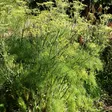
Foeniculum vulgare
Harvest (months): V–IX
Processing: Herbal infusion (tea), Culinary use
Feathery leaves and fruits in sweet and savoury cooking.
DetailsPhotograph on Wikimedia Commons (CC BY 4.0). · Elekes Andor · CC BY 4.0
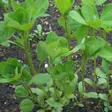
Trigonella foenum-graecum
Harvest (months): IV–VI
Processing: Herbal infusion (tea), Culinary use
An annual legume; the seeds carry a maple-syrup-like aroma.
DetailsPhotograph on Wikimedia Commons (CC BY-SA 3.0). · Yak · CC BY-SA 3.0
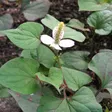
Houttuynia cordata
Harvest (months): V–VIII
Processing: Herbal infusion (tea), Culinary use
A moisture-loving East Asian herb with fishy-scented leaves.
DetailsPhotograph on Wikimedia Commons (CC BY-SA 4.0). · Agnieszka Kwiecień, Nova · CC BY-SA 4.0
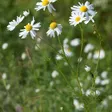
Matricaria chamomilla
Harvest (months): V–VII
Processing: Herbal infusion (tea), Bath additive
The classic chamomile tea flower.
DetailsPhoto by kallerna, Wikimedia Commons, CC BY-SA 3.0. Flowering shoots; the hollow receptacle is not visible and requires a lengthwise section of a head to check. · kallerna · CC BY-SA 3.0
Centella asiatica
Harvest (months): I–XII
Processing: Culinary use, Herbal infusion (tea)
Asian pennywort; wetlands and cultivated beds; traditional use in Asia.
DetailsPhotograph on Wikimedia Commons (CC BY 3.0). · Forest & Kim Starr · CC BY 3.0

Verbascum thapsus
Harvest (months): V–VIII
Processing: Herbal infusion (tea), Herbal oil
Tall stem with a yellow flower spike.
DetailsPhotograph on Wikimedia Commons (CC BY-SA 3.0). · 4028mdk09 · CC BY-SA 3.0
Plantago major
Harvest (months): V–IX
Processing: Herbal infusion (tea), Salve / ointment
Broader leaves than ribwort; leaf tea in tradition.
DetailsPhotograph on Wikimedia Commons (CC BY-SA 4.0). · Alepistoia · CC BY-SA 4.0
Salvia fruticosa
Harvest (months): V–VI
Processing: Herbal infusion (tea), Culinary use
An eastern Mediterranean sage; the aromatic leaves are the Greek 'faskomilo'.
DetailsPhotograph on Wikimedia Commons (Attribution). · This file is a work by Ester Inbar ( user:ST or he:user:ST ). More of my work can be found in Category:Files by User:ST . If you use my work outside Wikimedia I would appreciate being notified and referred to site where used here . · Attribution

Glechoma hederacea
Harvest (months): V–IX
Processing: Herbal infusion (tea), Honey macerate
Creeping stems; aromatic leaves in infusions.
DetailsPhotograph on Wikimedia Commons (CC BY-SA 4.0). · Ivar Leidus · CC BY-SA 4.0

Ocimum tenuiflorum
Harvest (months): I–XII
Processing: Herbal infusion (tea), Culinary use
Holy basil (tulsi)—culturally important in South Asia; not sweet basil.
DetailsPhotograph on Wikimedia Commons (CC0). · Aldrina A Manashe · CC0

Hyssopus officinalis
Harvest (months): V–IX
Processing: Herbal infusion (tea), Syrup
Blue flowers; strong garden aroma.
DetailsPhotograph on Wikimedia Commons (CC BY 4.0). · Robert Flogaus-Faust · CC BY 4.0
Terminalia ferdinandiana
Harvest (months): III–VI
Processing: Culinary use, Powder
Kakadu plum—Northern Territory bushfood very high in vitamin C.
DetailsPhotograph on Wikimedia Commons (CC BY 4.0). · (c) Thomas Mesaglio, some rights reserved (CC BY) · CC BY 4.0
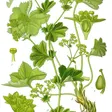
Alchemilla vulgaris
Harvest (months): V–IX
Processing: Herbal infusion (tea), Syrup
Palmate leaves; dew beads on leaves in the morning.
DetailsPhotograph on Wikimedia Commons (CC BY-SA 3.0). · User:Kilom691 · CC BY-SA 3.0
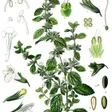
Melissa officinalis
Harvest (months): V–IX
Processing: Herbal infusion (tea), Honey macerate
Lemon-scented leaves; a beloved tea herb.
DetailsIllustration from Köhler's Medizinal-Pflanzen (1897), public domain. · Franz Eugen Köhler (Köhler's Medizinal-Pflanzen) · Public domain
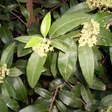
Backhousia citriodora
Harvest (months): I–XII
Processing: Herbal infusion (tea), Culinary use
Lemon myrtle—subtropical east; lemon aroma in food.
DetailsPhotograph on Wikimedia Commons (CC BY-SA 3.0). · HelloMojo · CC BY-SA 3.0
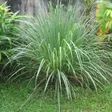
Cymbopogon citratus
Harvest (months): I–XII
Processing: Herbal infusion (tea), Culinary use
Aromatic leaves in cooking; common in tropical Asian cultivation.
DetailsPhotograph on Wikimedia Commons (CC BY 2.0). · Wikimedia Commons · CC BY 2.0
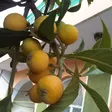
Eriobotrya japonica
Harvest (months): I–XII
Processing: Herbal infusion (tea), Culinary use
Loquat fruit in subtropical Japan; leaves in folk use.
DetailsPhotograph on Wikimedia Commons (CC BY-SA 3.0). · Illusive255 · CC BY-SA 3.0
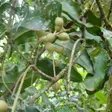
Macadamia integrifolia
Harvest (months): III–IX
Processing: Culinary use
Macadamia—subtropical east coast; nuts in cultural landscape.
DetailsPhotograph on Wikimedia Commons (CC BY-SA 3.0). · Wikimedia Commons · CC BY-SA 3.0
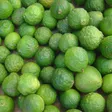
Citrus hystrix
Harvest (months): I–XII
Processing: Culinary use, Culinary use
A tropical citrus with knobby fruits; the aromatic leaves star in Thai cooking.
DetailsPhotograph on Wikimedia Commons (CC BY-SA 3.0). · David Monniaux · CC BY-SA 3.0